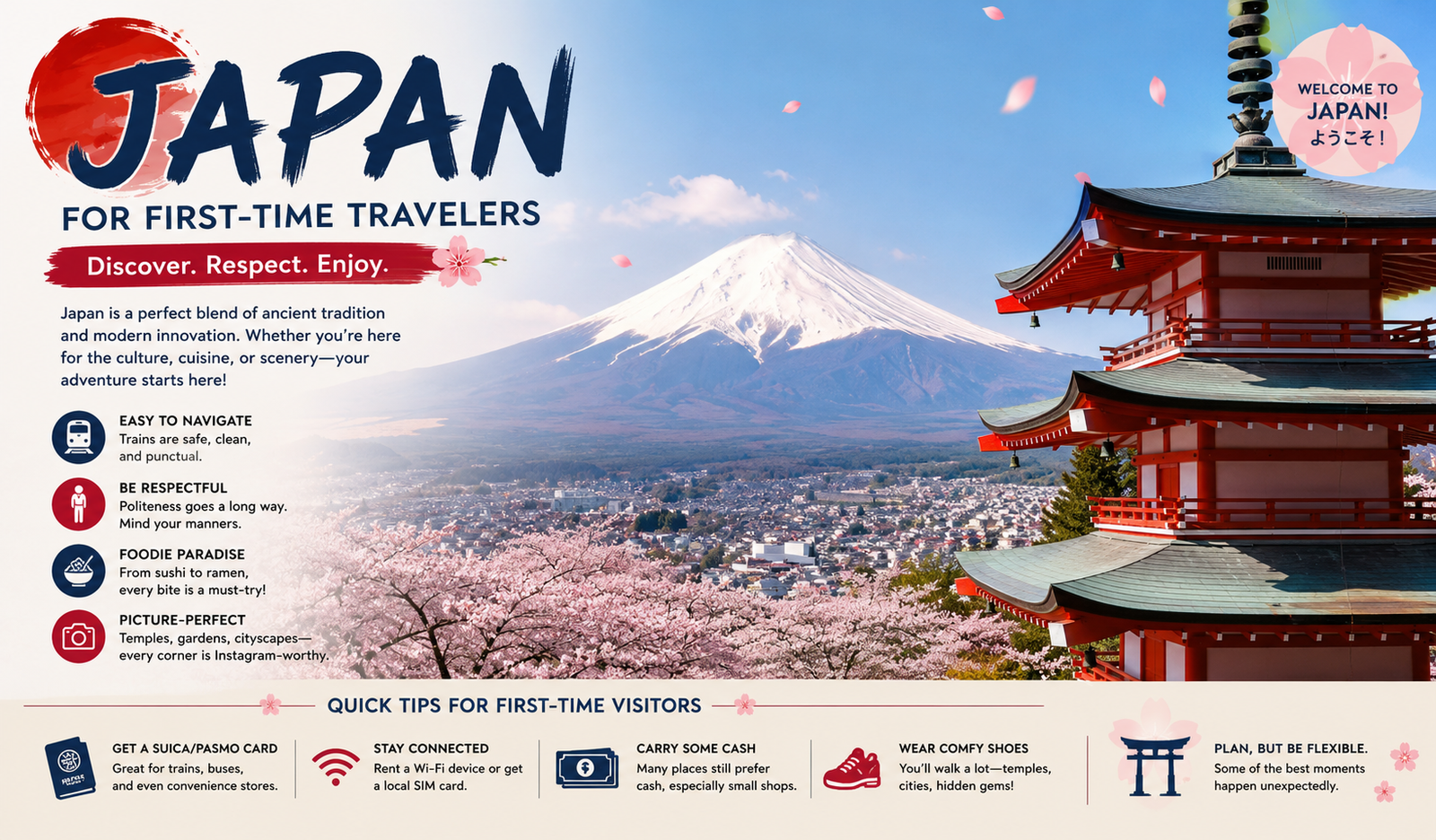
Japan offers a travel experience unlike any other destination on earth. You can ride a bullet train at two hundred miles per hour in the morning, and spend your afternoon wandering through a quiet, centuries-old Zen garden. The contrast between ancient traditions and ultramodern technology defines the country.
Planning a trip to this fascinating island nation requires some careful thought. With thousands of shrines, bustling megacities, pristine alpine routes, and tropical beaches, narrowing down your itinerary can feel overwhelming. Every region boasts its own unique culinary specialties, historical landmarks, and cultural festivals.
First-time visitors often wonder where they should spend their limited vacation days. Focusing on a mix of major cities and historically significant towns provides the most balanced perspective of Japanese culture. A well-rounded itinerary allows you to experience the bright neon lights alongside the peaceful mountain retreats.
This guide highlights the absolute best places to visit in Japan. These destinations offer a perfect introduction to the country, ensuring your journey is filled with memorable meals, stunning landscapes, and unforgettable cultural encounters.
Table of Contents
Tokyo: The Neon-Lit Metropolis
As the bustling capital, Tokyo serves as the primary entry point for most international travelers. It is a sprawling, energetic city composed of distinct neighborhoods, each feeling like a miniature city of its own.
Shibuya and Shinjuku
Shibuya is famous for the world’s busiest pedestrian crossing. Hundreds of people flood the intersection from all directions the moment the lights turn red. Nearby, Shinjuku offers a dazzling display of neon signs, towering skyscrapers, and hidden alleyways packed with tiny restaurants. Taking an evening stroll through Shinjuku’s Kabukicho district provides a fantastic glimpse into Tokyo’s vibrant nightlife.
Asakusa and Ueno
If you want to experience Tokyo’s older, more historic side, head to Asakusa. The neighborhood is home to Senso-ji, the city’s oldest Buddhist temple. The street leading up to the temple, Nakamise Shopping Street, is lined with vendors selling traditional snacks and souvenirs. A short subway ride away, Ueno Park hosts several world-class museums and turns into a spectacular sea of pink during the spring cherry blossom season.
Kyoto: The Heart of Traditional Japan
Kyoto served as Japan’s capital for over a thousand years. Today, it remains the cultural and historical epicenter of the country, boasting thousands of classical Buddhist temples, Shinto shrines, and traditional wooden houses.
Arashiyama Bamboo Grove
Walking through the towering green stalks of the Arashiyama Bamboo Grove is a surreal experience. The thick bamboo sways gently in the wind, creating a peaceful rustling sound. Arrive early in the morning to enjoy the serene atmosphere before the afternoon crowds arrive.
Fushimi Inari Shrine
Famous for its thousands of bright red torii gates, Fushimi Inari Shrine offers one of the most iconic hiking trails in Kyoto. The gates form a vibrant tunnel that winds up the wooded slopes of Mount Inari. Reaching the summit takes a few hours, but the panoramic views of Kyoto below make the physical effort completely worthwhile.
Osaka: The Nation’s Kitchen
Osaka is widely known as the street food capital of Japan. The locals are famously friendly, and the city hums with a laid-back, outgoing energy that sets it apart from Tokyo and Kyoto.
Dotonbori
The Dotonbori entertainment district is a sensory explosion. Massive mechanical crab signs, the famous Glico Man billboard, and glowing lanterns illuminate the canal. You must try local delicacies like takoyaki (octopus balls) and okonomiyaki (savory cabbage pancakes) from the bustling street vendors lining the waterfront.
Osaka Castle
Standing in stark contrast to the modern cityscape, Osaka Castle is a beautifully reconstructed historical landmark. The surrounding park is a popular gathering spot for locals, especially during the autumn when the leaves turn brilliant shades of red and gold.
Nara: Ancient Temples and Friendly Deer
Located just a short train ride from Osaka or Kyoto, Nara was Japan’s first permanent capital. The city is relatively small, making it a perfect day-trip destination for history enthusiasts and nature lovers alike.
Nara Park
Nara Park is home to hundreds of free-roaming sika deer. In the Shinto religion, these deer are considered messengers of the gods. You can purchase special crackers to feed them, and many of the deer have learned to bow their heads politely to ask for a treat.
Todai-ji Temple
Inside Nara Park sits Todai-ji, a massive wooden temple that houses a spectacular bronze statue of the Great Buddha. The sheer scale of the building and the statue inside will leave you in awe.
Hokkaido: Nature’s Northern Playground
Japan’s northernmost island, Hokkaido, offers a completely different climate and landscape compared to the rest of the country. It is famous for its vast national parks, fresh seafood, and incredible winter sports.
Sapporo
The capital city of Hokkaido, Sapporo, is renowned for its annual Snow Festival, which features massive, intricate ice sculptures. The city is also the birthplace of miso ramen, a rich and hearty noodle soup that perfectly combats the chilly northern weather.
Niseko
During the winter months, Niseko transforms into a premier destination for skiers and snowboarders from around the globe. The area receives massive amounts of light, powdery snow. After a long day on the slopes, you can relax your muscles in one of the many local geothermal hot springs.
Hiroshima and Miyajima: History and Resilience
A visit to Hiroshima provides a profound and moving educational experience. The city has transformed itself from the ashes of World War II into a vibrant, modern metropolis dedicated to promoting global peace.
Peace Memorial Park
The Hiroshima Peace Memorial Park and Museum offer a sobering look at the impact of the atomic bomb. The Genbaku Dome, a building left partially standing after the explosion, serves as a stark reminder of the past and a symbol of hope for a nuclear-free future.
Itsukushima Shrine
A short ferry ride from Hiroshima brings you to Miyajima Island. The island is famous for the Itsukushima Shrine and its floating torii gate. During high tide, the massive red gate appears to float gracefully on the surface of the ocean.
Hakone: Hot Springs and Mount Fuji Views
For those seeking relaxation and natural beauty, Hakone is a mountainous town located just a few hours from Tokyo. It is a highly popular weekend getaway destination for city dwellers.
Onsen Culture
Hakone is famous for its onsen, or natural hot springs. Staying in a traditional ryokan (Japanese inn) allows you to soak in these therapeutic waters while enjoying elaborate, multi-course kaiseki dinners.
Lake Ashi
Taking a sightseeing cruise across Lake Ashi offers a fantastic opportunity to view Mount Fuji. On clear days, the snow-capped peak of Japan’s tallest mountain perfectly reflects on the calm surface of the lake, providing incredible photography opportunities.
Okinawa: Tropical Escapes
Many people forget that Japan has a subtropical region. The Okinawa prefecture consists of over a hundred islands in the East China Sea, offering a distinct culture and a relaxed, beach-town atmosphere.
Pristine Beaches
Okinawa boasts white sand beaches and crystal-clear turquoise waters. The coral reefs surrounding the islands provide excellent opportunities for snorkeling and scuba diving, where you can swim alongside sea turtles and colorful tropical fish.
Ryukyu Culture
Because Okinawa was once an independent kingdom, it has its own unique architecture, cuisine, and dialect. Exploring the reconstructed Shuri Castle gives visitors a glimpse into the proud heritage of the Ryukyu people.
Takayama and Shirakawa-go: Alpine Charm
Nestled deep in the mountainous Hida region, these towns offer a look into rural, traditional Japanese life, far removed from the massive cities.
Historic Villages
Shirakawa-go is a UNESCO World Heritage site famous for its traditional gassho-zukuri farmhouses. The steep, thatched roofs are designed to withstand heavy winter snowfall. Walking through the village feels like stepping back hundreds of years in time.
Local Cuisine
Nearby Takayama is renowned for its beautifully preserved old town and local food. Hida beef, a premium brand of wagyu, melts in your mouth and is often grilled right at your table or served as sushi.
Kanazawa: Edo-Era Beauty
Kanazawa escaped the bombings of World War II, meaning much of its historical architecture remains entirely intact. It is a coastal city famous for its traditional crafts, gold leaf production, and beautifully preserved samurai districts.
Kenrokuen Garden
Widely considered one of the top three landscape gardens in all of Japan, Kenrokuen is stunning in every season. The meticulously maintained pine trees, peaceful water features, and blooming plum blossoms create a deeply tranquil environment.
Higashi Chaya District
This beautifully preserved teahouse district features rows of historic wooden buildings. During the Edo period, this is where geishas would entertain wealthy merchants with music and dance. Today, many of the buildings have been converted into charming cafes and boutique shops.
Frequently Asked Questions About Visiting Japan
When is the best time to visit Japan?
Spring (March to May) and autumn (September to November) are generally considered the best times to visit. Spring brings the famous cherry blossoms and mild temperatures. Autumn offers clear skies and brilliant red and yellow foliage. Summer can be extremely hot and humid, while winter is quite cold but offers excellent skiing conditions in the north.
Should I purchase a Japan Rail (JR) Pass?
The JR Pass can save you a significant amount of money if you plan on traveling long distances between multiple cities within a short timeframe. However, if you are only visiting Tokyo and Kyoto, buying individual tickets might be more cost-effective. You should map out your itinerary and calculate individual ticket prices before purchasing the pass.
Do I need to speak Japanese to get around?
While learning a few basic phrases like “arigatou gozaimasu” (thank you) and “sumimasen” (excuse me) is highly appreciated, you can easily navigate Japan without speaking the language. Major train stations, airports, and tourist attractions feature excellent English signage. Many restaurant menus also include photos or English translations.
Ready to Book Your Japanese Adventure?
Japan provides an incredibly diverse array of experiences for travelers willing to explore beyond the main tourist hubs. You can hike ancient pilgrimage trails, dine at world-renowned sushi counters, and relax in natural hot springs all within the span of a single week.
Start by picking three or four destinations from this list that align with your personal travel interests. Give yourself enough time in each location to truly appreciate the local culture rather than rushing from one landmark to the next. The beauty of visiting Japan lies in the small, quiet moments of discovery you find along the way.
