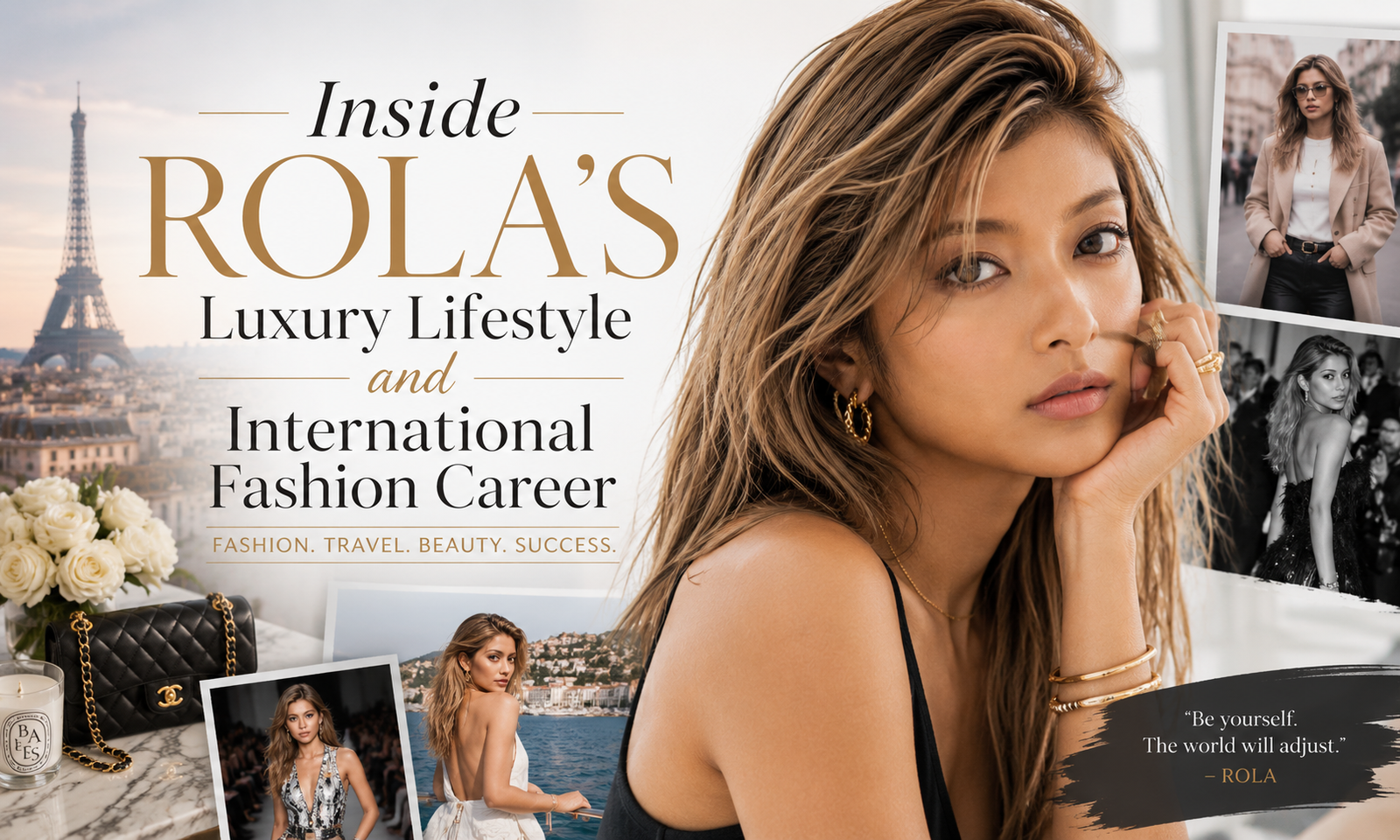
Quick answer: Rola is a highly influential Japanese model, actress, and television personality born on March 30, 1990, in Tokyo. With a unique Bangladeshi, Japanese, and Russian heritage, Rola gained fame through fashion magazines and Japanese variety shows before achieving global recognition as a prominent social media and style icon.
Fame in the modern entertainment industry requires a combination of distinct personal branding and relentless adaptability. For the Japanese model and television personality Rola, achieving household name status meant embracing her uniquely cosmopolitan background. Born on March 30, 1990, in Tokyo, Rola has built a multifaceted career that spans across print media, national television broadcasts, and global social media platforms.
Understanding Rola’s trajectory offers a masterclass in how regional celebrities can leverage their distinct traits to capture an international audience. Rola initially captured the attention of the Japanese public through her work in prominent teen and young adult fashion magazines. Her striking features, a result of her Bangladeshi, Japanese, and Russian descent, immediately set Rola apart in the highly competitive Tokyo modeling scene.
However, her visual appeal only accounts for a portion of her success. Audiences quickly gravitated toward Rola’s bubbly, unpretentious personality. This charisma translated perfectly to Japanese variety shows, where Rola became a staple guest and beloved public figure. Today, Rola operates on a global scale. She influences millions of followers across social media channels, champions sustainability, and participates in international film projects.
Table of Contents
What is Rola’s background and early life?
Rola was born in Tokyo, Japan, on March 30, 1990. Her ethnic background is highly diverse, combining Bangladeshi heritage from her father’s side with Japanese and Russian heritage from her mother’s side. This multicultural upbringing gave Rola a cosmopolitan perspective from a very young age.
During her childhood, Rola spent several years living in Bangladesh. This experience exposed the future style icon to different cultural norms and languages before she eventually returned to Japan to complete her education. Growing up in Japan with a mixed heritage presented unique challenges, but Rola used her distinct appearance and international experiences to forge a strong personal identity. By the time Rola reached her teenage years, her unique look caught the attention of talent scouts in Tokyo, setting the stage for her entry into the fashion industry.
How did Rola build her career in Japanese fashion and television?
Rola’s professional journey began in the print fashion industry, where she quickly established herself as a leading figure.
Breakthrough in Japanese fashion magazines
In the late 2000s, Rola began modeling for popular Japanese fashion magazines such as Popteen and ViVi. These publications cater to millions of young women in Japan and dictate upcoming fashion trends. Rola’s features and effortless ability to model diverse clothing styles made her a highly sought-after cover girl. Her work in ViVi particularly solidified Rola as a primary fashion influencer among Japanese youth. By wearing bold outfits and introducing new makeup trends, Rola helped shape the “gyaru” and subsequent street-style fashion movements in Tokyo.
Success on Japanese variety shows
While modeling established Rola’s visual brand, her leap to mainstream superstardom occurred on Japanese television. Japanese variety shows rely heavily on the dynamic interactions between hosts and celebrity guests. Rola brought a refreshing, carefree energy to these broadcasts.
Rola frequently employed her signature gesture—puffing her cheeks while placing an OK sign over her eye—which became a massive cultural trend in Japan. Furthermore, Rola spoke to senior television hosts with a casual, familiar tone. In a society that traditionally values strict hierarchical language, Rola’s polite yet informal communication style endeared her to viewers of all ages. This television presence transformed Rola from a niche fashion model into a beloved national celebrity.
How did Rola transition to global acting and social media stardom?
Having conquered the Japanese domestic market, Rola expanded her professional horizons internationally. Her cosmopolitan background and growing English proficiency allowed Rola to pursue opportunities in Hollywood and global brand partnerships.
In 2016, Rola made her major Hollywood acting debut in the film Resident Evil: The Final Chapter. Playing the role of Cobalt, Rola acted alongside established international stars like Milla Jovovich. This casting choice introduced Rola to western audiences and demonstrated her versatility beyond modeling and hosting.
Simultaneously, Rola cultivated a massive global following on social media. She transitioned from a regional television personality to an international lifestyle influencer. On platforms like Instagram and YouTube, Rola shares her fitness routines, healthy culinary recipes, and high-fashion photography. In recent years, Rola has heavily advocated for environmental sustainability and mindful living. By aligning her personal brand with eco-friendly initiatives, Rola continues to attract a diverse, globally minded audience who value both aesthetics and ethical consumption.
Rola’s Career Profile and Key Statistics
To understand the scope of Rola’s career, it is helpful to look at the core data points of her professional and personal profile.
| Category | Details |
|---|---|
| Full Name | Rola |
| Date of Birth | March 30, 1990 |
| Birthplace | Tokyo, Japan |
| Heritage | Bangladeshi, Japanese, Russian |
| Primary Professions | Model, Television Personality, Actress, Influencer |
| Notable Magazine Affiliations | Popteen, ViVi |
| Major Film Role | Cobalt in Resident Evil: The Final Chapter (2016) |
| Key Advocacy Areas | Environmental sustainability, animal welfare, fitness |
Why Rola’s Influence Continues to Grow
Rola has successfully navigated the complex transition from a local fashion model to an international brand ambassador. By consistently evolving her professional focus—from print media to television, and eventually to global social media and film—Rola maintains relevance in a fast-paced industry.
For brands and marketing professionals, Rola represents the ideal modern influencer. She bridges cultural divides, champions meaningful social causes like sustainability, and maintains a highly engaged audience. If you want to keep up with the latest trends in sustainable fashion and global lifestyle aesthetics, following Rola across her digital platforms provides daily inspiration and valuable cultural insights.
Frequently Asked Questions about Rola
What is Rola’s ethnic background?
Rola has a multicultural heritage. She is of Bangladeshi, Japanese, and Russian descent. Her father is Bangladeshi, and her mother is of Japanese and Russian ancestry.
When and where was Rola born?
Rola was born on March 30, 1990, in Tokyo, Japan. She spent parts of her early childhood living in Bangladesh before returning to Japan for her schooling and subsequent career.
Why is Rola famous in Japan?
Rola initially gained fame in Japan as a fashion model for popular magazines like ViVi. She subsequently achieved mainstream national popularity by appearing on Japanese variety television shows, where audiences loved her cheerful, bubbly personality and signature casual speaking style.
What movies has Rola acted in?
Rola made her major international film debut in the 2016 action-horror movie Resident Evil: The Final Chapter. In this film, Rola played the character Cobalt, which helped introduce her to audiences outside of Asia.
What kind of content does Rola post on social media?
On her social media channels, Rola posts a mix of high-fashion photography, fitness routines, and healthy cooking videos. Recently, Rola has focused heavily on promoting environmental sustainability, ethical fashion choices, and animal welfare to her international followers.
We collect information from multiple internet sources. Therefore, we cannot guarantee that all content on this website is 100% accurate or up to date. Please verify important information from official sources.
