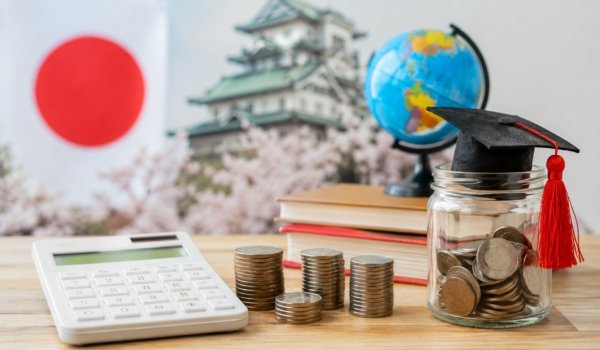
Monthly expenses for students in Japan typically range from ¥100,000 to ¥200,000 (roughly $650–$1,350 USD), depending on the city, lifestyle, and university type. The biggest costs are rent, food, and transportation. Students in Tokyo spend significantly more than those in smaller cities like Sendai or Fukuoka.
Japan has long been one of Asia’s most popular study destinations—and for good reason. World-class universities, a rich cultural experience, and one of the safest environments in the world make it a compelling choice for international students. But before you book your flight, there’s one question worth answering carefully: how much does it actually cost to live there as a student?
The answer isn’t one-size-fits-all. A student sharing an apartment in Osaka lives a very different financial reality from someone renting a private studio in central Tokyo. Your spending habits, dietary choices, and social life all play a role. So rather than offer a vague estimate, this guide breaks down every major expense category—from rent and groceries to health insurance and phone bills—so you can plan your budget with confidence before you arrive.
Whether you’re applying to a Japanese national university, a private institution, or a language school, understanding the true cost of living in Japan as a student will help you avoid financial surprises and make the most of your time there.
What Is the Average Monthly Cost of Living for Students in Japan?
According to the Japan Student Services Organization (JASSO), the average monthly living cost for international students in Japan is approximately ¥120,000–¥160,000 (roughly $800–$1,100 USD). This figure includes rent, food, transportation, and daily necessities—but excludes tuition fees, which are typically paid separately on a semester or annual basis.
Here’s a rough monthly breakdown to give you the full picture:
| Expense Category | Estimated Monthly Cost (¥) |
|---|---|
| Rent | ¥40,000–¥80,000 |
| Food & groceries | ¥20,000–¥35,000 |
| Transportation | ¥5,000–¥15,000 |
| Utilities | ¥5,000–¥10,000 |
| Health insurance | ¥1,500–¥2,500 |
| Phone plan | ¥2,000–¥5,000 |
| Personal & miscellaneous | ¥10,000–¥20,000 |
| Total | ¥83,500–¥167,500 |
These figures vary considerably based on your city and lifestyle. Tokyo and Osaka sit at the higher end; cities like Sapporo, Fukuoka, and Sendai are noticeably more affordable without sacrificing quality of life.
How Much Does Student Accommodation Cost in Japan?
Rent is, by far, the largest monthly expense for most students in Japan. Your options generally fall into three categories:
University dormitories
University-managed dormitories are the most affordable option, typically running ¥10,000–¥30,000 per month. Demand is high, and spaces are limited—especially for incoming international students. Apply as early as possible if this is your preferred route.
Share houses
Share houses have become increasingly popular among students and young professionals. You’ll typically have a private room while sharing communal spaces like the kitchen and bathroom. Monthly costs range from ¥30,000 to ¥60,000, depending on the location and facilities.
Private apartments
Renting a private apartment in Japan—known as a manshon or apāto—is the most expensive option. Studios in Tokyo’s central wards can cost ¥70,000–¥100,000 per month, while equivalent spaces in regional cities may run ¥35,000–¥55,000. Note that most Japanese landlords require a guarantor (hoshounin), which can be a barrier for international students. Many universities offer guarantor support services to help bridge this gap.
One additional cost to be aware of: when signing a lease in Japan, it’s common to pay key money (reikin) and a security deposit upfront—sometimes totaling two to four months’ rent. Budget for this before you arrive.

What Will Students Spend on Food Each Month in Japan?
Food costs in Japan are very manageable if you’re willing to cook at home. A reasonable grocery budget runs ¥20,000–¥30,000 per month. Japanese supermarkets—particularly chains like AEON, Seiyu, and Gyomu Super—offer affordable fresh produce, proteins, and staples.
If you eat out regularly, costs climb quickly. A sit-down restaurant meal typically costs ¥800–¥1,500, while convenience store meals (from FamilyMart, Lawson, or 7-Eleven) run ¥400–¥700. University cafeterias (shokudo) are among the most cost-effective dining options available, with many offering balanced meals for ¥400–¥600.
A practical strategy: cook most meals at home, use the university cafeteria for lunches on busy days, and reserve dining out for social occasions. Students who follow this approach generally keep their food budget under ¥25,000 per month.
How Much Do Students Pay for Transportation in Japan?
Japan’s public transportation network is exceptional—punctual, clean, and extensive. Most students rely on trains and buses rather than owning a vehicle, which keeps costs reasonable.
A monthly commuter pass (teikiken) covering your regular train route typically costs ¥5,000–¥15,000 depending on the distance. Many universities offer subsidized commuter passes for enrolled students, so check with your institution before purchasing independently.
Cycling is also widely popular among students. A used bicycle in Japan costs ¥5,000–¥15,000 and can eliminate daily commuting costs entirely, particularly in cities with flat terrain like Kyoto or Sendai. Just be sure to register your bicycle at your local police station—it’s a legal requirement.
For longer intercity trips, Japan’s shinkansen (bullet train) network is fast but expensive. Budget flights via Peach Aviation or Jetstar Japan are a more affordable way to explore the country on weekends.
What Are the Utility and Internet Costs for Students in Japan?
Monthly utility bills—electricity, gas, and water—typically run ¥5,000–¥10,000 combined. Electricity costs spike in summer (air conditioning) and winter (heating), so factor in seasonal variation when planning your budget.
Home internet plans cost around ¥3,000–¥5,000 per month, with fiber-optic connections available in most urban areas. If you’re living in a share house or dormitory, internet may already be included in your rent.
For mobile phone plans, affordable SIM-only options from providers like Rakuten Mobile, IIJmio, and NTT Docomo start at ¥2,000–¥3,000 per month for a basic data plan. Avoid buying a new smartphone on a carrier contract if possible—it’s significantly more expensive.
Do International Students in Japan Need Health Insurance?
Yes. All residents in Japan—including international students—are legally required to enroll in the National Health Insurance (NHI) program. The monthly premium for students is subsidized and typically amounts to ¥1,500–¥2,500 per month, depending on your municipality and household income.
NHI covers 70% of most medical costs, meaning you pay only 30% out of pocket for doctor visits, hospital stays, and prescriptions. Given how affordable and high-quality Japan’s healthcare system is, this is excellent value. Your university’s international student office can assist with enrollment during your initial registration process.
What Other Monthly Costs Should Students in Japan Plan For?
Beyond the essentials, there are several recurring or occasional expenses worth factoring into your budget:
- Personal care and toiletries: ¥3,000–¥5,000/month. Japan’s 100-yen shops (Daiso, Seria) are a student’s best friend for household basics.
- Clothing: Variable, but Japan’s second-hand clothing stores (recycle shops) like 2nd Street and Book Off offer excellent value.
- Entertainment and social activities: ¥5,000–¥15,000/month, depending on your lifestyle. Karaoke, cinema tickets, and day trips are common student activities.
- Language learning materials: ¥2,000–¥5,000/month if you’re actively studying Japanese, which is strongly recommended.
- Renters’ insurance: Optional but advisable at roughly ¥1,000–¥2,000/month.
Can International Students Work Part-Time to Cover Monthly Expenses in Japan?
Yes—and most do. International students on a student visa are permitted to work up to 28 hours per week during term time, and full-time during designated school holidays, under Japan’s immigration rules (as of 2024). The minimum hourly wage varies by prefecture; in Tokyo, it stood at ¥1,113 per hour as of October 2023, according to the Tokyo Metropolitan Government.
Working part-time (arubaito) in convenience stores, restaurants, or on campus is extremely common among international students in Japan. A student working 20 hours per week at minimum wage can earn approximately ¥80,000–¥90,000 per month—enough to cover a significant portion of living costs.
That said, prioritize your studies. Many students find that 10–15 hours per week strikes the right balance between financial support and academic performance.
For more guidance on planning your move to Japan as a student, visit GoGoNihon for resources on visas, school placements, and life in Japan.
How Do Monthly Expenses Differ Between Tokyo, Osaka, and Smaller Japanese Cities?
City choice has a substantial impact on your monthly budget. Here’s a comparative overview:
- Tokyo: The most expensive city in Japan for students. Expect monthly living costs of ¥150,000–¥200,000. Rent alone can easily exceed ¥70,000 for a private room.
- Osaka: Slightly more affordable than Tokyo, with total monthly costs averaging ¥120,000–¥160,000. Food and nightlife costs are comparable, but rent tends to be lower.
- Kyoto: Popular with international students due to its cultural richness. Costs are similar to Osaka, around ¥120,000–¥150,000 per month.
- Fukuoka, Sendai, Sapporo: Regional cities offer the best value. Monthly costs frequently fall in the ¥90,000–¥130,000 range, with lower rents and comparable quality of life.
For students on a tight budget, choosing a regional university city over Tokyo can save ¥20,000–¥50,000 per month—a meaningful difference over a two- or four-year degree.
Smart Budgeting Tips That Help Students Keep Costs Down in Japan
Living frugally in Japan doesn’t mean sacrificing quality of life. Here are strategies that experienced student residents consistently recommend:
- Cook at home as often as possible. Japanese grocery stores offer fresh, affordable ingredients. Mastering a few simple Japanese recipes goes a long way.
- Buy a bicycle. Particularly effective in flat cities, cycling eliminates daily transit costs and is part of the local culture.
- Use 100-yen shops for household items. Daiso and Seria stock an enormous range of quality products at minimal cost.
- Take advantage of student discounts. Museums, cinemas, and transport providers frequently offer reduced rates for students with a valid ID.
- Apply for JASSO scholarships. The Japan Student Services Organization offers monthly stipend scholarships of ¥48,000 for eligible international students. According to JASSO’s 2022 survey, approximately 38% of international students in Japan receive some form of scholarship support.
- Shop at discount supermarkets. Chains like Gyomu Super and Hanamasa cater to budget-conscious shoppers and offer bulk-buy savings.
For a comprehensive overview of scholarship and financial aid options available to international students, the JASSO official website is an authoritative resource worth bookmarking.
Plan Your Budget Before You Land
Living in Japan as a student is entirely achievable on a moderate budget—but only if you plan ahead. The students who struggle financially are almost always those who underestimated upfront costs (like key money and initial furnishing) or overestimated how quickly they’d find part-time work.
Start by estimating your monthly expenses using the figures in this guide. Factor in your city of choice, accommodation type, and lifestyle preferences. Then identify your income sources: savings, family support, scholarships, or part-time work. If there’s a gap, address it before you arrive—not after.
Japan rewards prepared students with an extraordinary quality of life at a cost that, with smart choices, is comparable to many Western cities. The key is knowing where your money goes.
Ready to take the next step? Explore GoGoNihon’s student resources for personalized guidance on studying in Japan, from choosing the right school to navigating your first weeks on the ground.
Frequently Asked Questions About Monthly Expenses for Students in Japan
How much money should a student save before moving to Japan?
Most financial advisors recommend having at least three to four months of living expenses saved before arriving—roughly ¥400,000–¥600,000. This covers initial setup costs like key money, a security deposit, furniture, and daily expenses while you find part-time work and settle in.
Is Tokyo too expensive for international students on a limited budget?
Tokyo is manageable but challenging on a tight budget. Students who keep costs low through dormitory accommodation and home cooking can live on ¥130,000–¥150,000 per month. If budget is a primary concern, a regional city like Fukuoka or Sendai offers comparable academic opportunities at significantly lower cost.
What is the cheapest type of accommodation for students in Japan?
University dormitories are the most affordable option, at ¥10,000–¥30,000 per month. Availability is limited, so apply as early as possible. Share houses are the next most affordable option and offer a good balance of cost, community, and independence.
Do students in Japan need to pay for health insurance separately?
Yes. All residents, including international students, must enroll in Japan’s National Health Insurance program. The monthly premium is subsidized for students and typically costs ¥1,500–¥2,500, covering 70% of most healthcare costs.
How much can a student earn working part-time in Japan?
International students can work up to 28 hours per week on a student visa. At Tokyo’s 2023 minimum wage of ¥1,113 per hour, a student working 20 hours per week could earn approximately ¥88,000–¥90,000 per month—enough to cover a substantial portion of living expenses.
Are there scholarships available to offset monthly living costs in Japan?
Yes. JASSO (Japan Student Services Organization) offers monthly stipend scholarships to eligible international students. According to JASSO’s 2022 data, approximately 38% of international students in Japan receive some form of financial support. University-specific and government-sponsored scholarships are also available.
