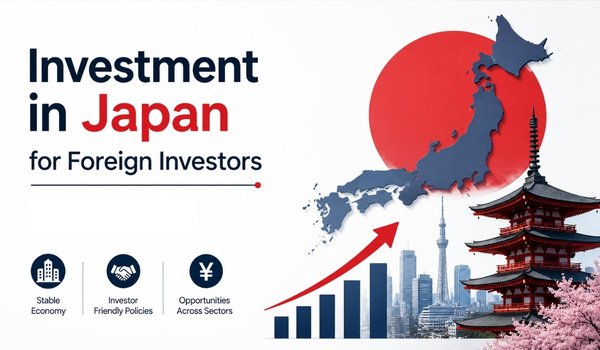
Investment in Japan for Foreign Investors Opportunities, Rules, Benefits and Risks
Japan has long been recognized as one of the world’s most stable and sophisticated economies, making it an attractive destination for foreign investors seeking opportunities in Asia. As the third-largest economy globally and home to internationally respected corporations, advanced technology industries, and a transparent legal system, Japan offers a unique environment for investment. Whether an investor is interested in stocks, real estate, startups, government bonds, or business acquisitions, understanding the Japanese investment landscape is essential before committing capital.
Foreign investors are increasingly looking toward Japan because of its economic stability, strong infrastructure, highly educated workforce, and strategic position in the Asia-Pacific region. Unlike many emerging markets, Japan provides a mature financial ecosystem supported by strict regulations that protect investors and maintain market integrity. However, despite its many advantages, investing in Japan requires careful planning, familiarity with local regulations, and an understanding of cultural and business practices.
This comprehensive guide explores everything foreign investors need to know about investing in Japan, from legal requirements and market opportunities to taxation considerations and practical steps for getting started.
Why Is Japan Considered One of the Most Attractive Investment Destinations for Foreign Investors?
Japan attracts foreign investment because of its combination of economic stability, technological innovation, and political reliability. The country maintains a strong reputation for corporate governance, intellectual property protection, and transparent business regulations. Investors often view Japan as a safe haven during periods of global uncertainty because of its stable institutions and predictable legal framework.
Another significant advantage is Japan’s diversified economy. The country excels in industries such as automotive manufacturing, robotics, artificial intelligence, electronics, healthcare, renewable energy, biotechnology, and financial services. Global corporations headquartered in Japan continue to lead innovation in numerous sectors, creating investment opportunities for both institutional and individual investors.
Japan’s commitment to digital transformation and economic modernization has also generated new opportunities. Government initiatives supporting startups, green technology, and digital infrastructure are attracting increasing levels of foreign capital. Investors who understand these emerging trends may benefit from long-term growth potential.
How Can Foreigners Legally Invest in Japan Without Becoming Permanent Residents?
One of the most appealing aspects of Japan’s investment environment is that foreigners can invest without obtaining permanent residency. Non-residents can purchase Japanese stocks, invest in mutual funds, acquire real estate, and establish businesses subject to applicable regulations.
Foreign investors typically access Japanese investments through brokerage accounts, investment funds, real estate purchases, or direct business ownership. The legal process depends on the type of investment being pursued. For example, purchasing publicly traded stocks generally requires opening an account with a brokerage firm that accepts foreign clients. Real estate transactions may involve additional documentation and legal procedures but remain accessible to non-residents.
Japan generally welcomes foreign investment, although certain industries may have regulatory restrictions due to national security or strategic concerns. Investors should review industry-specific regulations before making significant investments.
What Investment Opportunities Are Available for Foreign Investors in Japan?
Foreign investors can choose from a wide range of investment opportunities in Japan. The stock market remains one of the most popular options. Companies listed on major exchanges provide exposure to industries ranging from manufacturing and technology to healthcare and consumer goods.
Real estate is another attractive investment category. Major cities such as Tokyo, Osaka, and Fukuoka continue to attract domestic and international investors due to strong demand for residential, commercial, and mixed-use properties. Low interest rates and stable property markets have historically supported real estate investment activity.
Government bonds offer conservative investors a relatively low-risk option. Although returns may be modest, Japanese government bonds are often viewed as stable investments suitable for capital preservation strategies.
Startup investments are becoming increasingly popular as Japan strengthens its entrepreneurial ecosystem. Government programs and venture capital initiatives are encouraging innovation, particularly in technology, healthcare, and sustainability sectors.
Business acquisitions and partnerships also represent significant opportunities. Foreign companies frequently enter the Japanese market through joint ventures, mergers, acquisitions, or strategic alliances with local firms.
Why Should Foreign Investors Consider Investing in Japanese Stocks and Equity Markets?
Japan’s stock market is among the largest and most liquid in the world. Investors gain access to globally recognized corporations operating across multiple industries. Many Japanese companies possess strong balance sheets, substantial cash reserves, and established international brands.
Corporate governance reforms implemented in recent years have improved transparency and shareholder engagement. These reforms have encouraged companies to focus more on profitability, dividend payments, and shareholder value creation. As a result, international investors have shown renewed interest in Japanese equities.
Exchange-traded funds (ETFs) provide an efficient way to gain diversified exposure to Japanese markets without selecting individual stocks. Many global financial institutions offer Japan-focused ETFs that track major market indexes and industry sectors.
Investors should nevertheless conduct thorough research because economic conditions, currency fluctuations, and company-specific risks can affect investment performance.
How Can Foreign Investors Purchase Real Estate in Japan and What Benefits Can They Expect?
Japan places relatively few restrictions on foreign ownership of real estate. Unlike some countries that limit property ownership by non-citizens, Japan generally allows foreigners to purchase land and buildings without residency requirements.
The purchasing process usually involves identifying suitable property, conducting due diligence, negotiating terms, signing contracts, and completing registration procedures. Professional assistance from legal advisors, real estate agents, and tax specialists is highly recommended.
Real estate investments can generate income through rental yields while offering potential capital appreciation over time. Urban centers continue to experience demand from residents, businesses, and tourists, creating opportunities for both residential and commercial property investors.
However, investors should evaluate factors such as maintenance costs, local market conditions, property management requirements, and tax obligations before making investment decisions.
What Tax Considerations Should Foreign Investors Understand Before Investing in Japan?
Tax planning is a critical component of any investment strategy. Foreign investors may be subject to taxes on dividends, capital gains, rental income, and other investment-related earnings depending on their residency status and investment structure.
Japan has tax treaties with many countries designed to prevent double taxation. These agreements can reduce withholding taxes and provide other benefits to eligible investors. Understanding applicable treaty provisions can significantly improve after-tax investment returns.
Real estate investors should consider acquisition taxes, annual property taxes, and potential capital gains taxes when selling assets. Stock investors should understand dividend taxation and reporting requirements.
Because tax regulations can be complex and subject to change, consulting qualified tax professionals with expertise in international investment is strongly recommended.
How Does Japan’s Economic Stability Influence Long-Term Investment Decisions?
Economic stability remains one of Japan’s strongest advantages for long-term investors. The country benefits from mature institutions, advanced infrastructure, and a highly skilled labor force. These factors contribute to a business environment that supports sustainable economic activity.
Japan also maintains strong international trade relationships and continues to play a significant role in global supply chains. Its leadership in technology, manufacturing, and innovation creates resilience even during periods of economic uncertainty.
Long-term investors often appreciate Japan’s predictable legal framework and commitment to investor protection. While no investment is entirely risk-free, Japan’s institutional strength provides a level of confidence that may be difficult to find in less developed markets.
What Challenges and Risks Should Foreign Investors Carefully Evaluate Before Investing in Japan?
Despite its many advantages, investing in Japan is not without risks. Currency fluctuations can significantly impact returns for investors whose primary currency differs from the Japanese yen. Exchange rate movements may enhance or reduce investment performance.
Demographic trends also present long-term challenges. Japan’s aging population and declining birth rate can influence labor markets, consumer demand, and economic growth prospects.
Market volatility remains another consideration. Although Japan is generally stable, stock prices, real estate values, and economic conditions can fluctuate due to domestic and international factors.
Cultural and language differences may create obstacles for investors unfamiliar with Japanese business practices. Working with experienced local professionals can help overcome these challenges and improve investment outcomes.
How Can Foreign Investors Successfully Build a Diversified Investment Portfolio in Japan?
Diversification is a fundamental principle of successful investing. Rather than concentrating capital in a single asset class, investors should consider allocating funds across multiple sectors and investment vehicles.
A balanced Japanese investment portfolio might include publicly traded equities, exchange-traded funds, real estate assets, fixed-income securities, and selected startup opportunities. This diversified approach can help reduce overall risk while maintaining exposure to potential growth areas.
Investors should also align their portfolio structure with their financial goals, risk tolerance, investment horizon, and liquidity requirements. Regular portfolio reviews and adjustments can help ensure continued alignment with changing market conditions.
What Practical Steps Should Foreign Investors Follow When Beginning Their Investment Journey in Japan?
The first step is conducting comprehensive research. Understanding market conditions, investment options, legal requirements, and economic trends provides a strong foundation for informed decision-making.
The second step involves selecting appropriate investment vehicles based on personal objectives and risk preferences. Investors should compare available options carefully and evaluate expected returns, costs, and risks.
The third step is assembling a professional advisory team. Legal experts, tax consultants, financial advisors, and local market specialists can provide valuable guidance throughout the investment process.
The fourth step is developing a long-term strategy. Successful investing requires patience, discipline, and a commitment to ongoing monitoring and analysis.
Finally, investors should maintain realistic expectations. Building wealth through investments generally occurs over time rather than through short-term speculation.
If you’re comparing international investment destinations, you may also want to explore how to invest in Dubai property as a foreigner and understand the opportunities available in the UAE real estate market.
Frequently Asked Questions About Investing in Japan as a Foreigner
What Is the Minimum Amount Required to Start Investing in Japan as a Foreigner?
The minimum investment amount depends on the investment type. Stock investments can often begin with relatively small amounts, while real estate and business acquisitions typically require significantly larger capital commitments.
Can Foreigners Buy Property in Japan Without Residency?
Yes. Japan generally allows foreigners to purchase and own property without requiring residency or citizenship.
Is Japan a Safe Country for Foreign Investment?
Japan is widely regarded as one of the safest investment destinations due to its stable political system, transparent regulations, and strong legal protections.
Do Foreign Investors Pay Taxes in Japan?
Foreign investors may be subject to taxes on certain types of income and gains. Applicable taxes depend on residency status, investment structure, and international tax treaty provisions.
Can Foreigners Open Japanese Brokerage Accounts?
Many brokerage firms allow foreign investors to open accounts, although requirements vary by institution and residency status.
What Are the Most Popular Investments for Foreigners in Japan?
Japanese stocks, exchange-traded funds, real estate, government bonds, startup investments, and business acquisitions are among the most popular options.
Does Japan Restrict Foreign Ownership of Businesses?
Most industries are open to foreign ownership, although certain sectors may be subject to additional review or regulatory requirements.
Is Knowledge of Japanese Language Necessary for Investing?
While not always required, understanding Japanese or working with bilingual professionals can make the investment process smoother and more efficient.
What Are the Biggest Risks of Investing in Japan?
Key risks include currency fluctuations, market volatility, demographic challenges, economic changes, and sector-specific risks.
Why Is Japan Important for International Portfolio Diversification?
Japan provides exposure to a mature economy, advanced technology industries, stable institutions, and unique market opportunities that can enhance global portfolio diversification.
Conclusion: Why Could Japan Be an Excellent Long-Term Investment Destination for Foreign Investors?
Japan continues to offer compelling opportunities for foreign investors seeking stability, diversification, and long-term growth. Its strong legal framework, advanced economy, sophisticated financial markets, and openness to international investment make it one of the world’s most attractive destinations for global capital. While careful planning, due diligence, and professional guidance remain essential, investors who understand Japan’s market dynamics can position themselves to benefit from the country’s enduring economic strengths and future growth opportunities.
