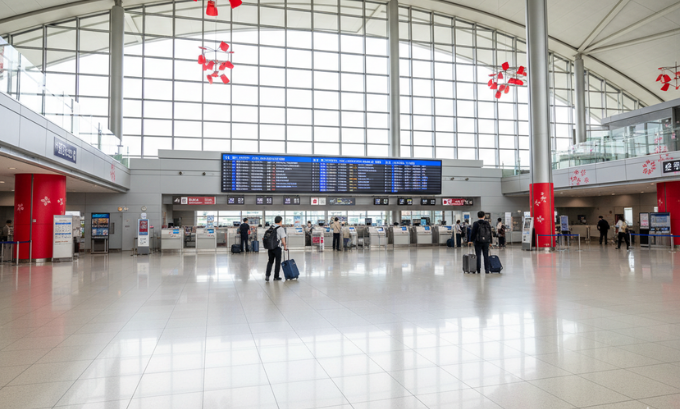
Japan is rolling out significant changes to its visa and departure fee policies in 2025. International travelers, business professionals, and remote workers should pay attention. The country is increasing departure taxes, introducing new visa fees, and launching a digital pre-screening system for visa-exempt visitors. These reforms are designed to fund domestic policies like free high school tuition, reduce airport congestion, and bring Japan’s historically low fees in line with international standards.
Here’s what you need to know about how these changes could affect your travel plans, visa applications, and entry into Japan overall japan visa update 2025.
Table of Contents
Understanding Japan’s Departure Tax Increase
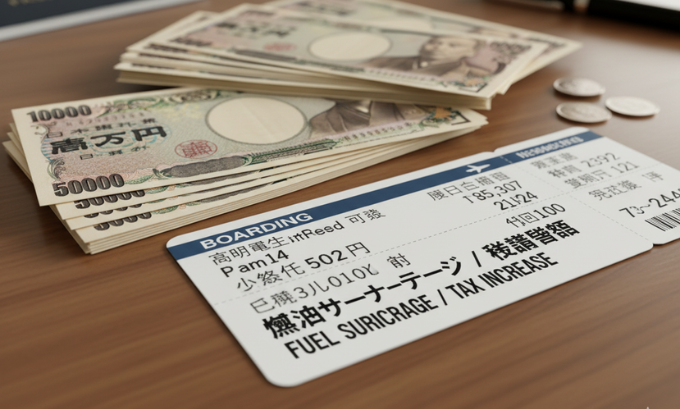
Since 1992, Japan has charged a modest ¥1,000 (approximately $7) departure tax. This fee, known as the International Tourist Tax, hasn’t changed in over three decades. As reported in recent government announcements, that’s about to change. By early 2025, this fee is expected to increase significantly—potentially to ¥3,000 ($20) or higher for departures from major hubs like Narita Airport.
Why Is This Happening?
Japan’s ruling Liberal Democratic Party (LDP) and its coalition partner, Nippon Ishin (Japan Innovation Party), agreed to this policy shift. Revenue from the increased fees will help fund the government’s pledge to provide free high school tuition to Japanese families. Political analysts note that taxing non-voting foreigners is a strategic move to avoid domestic backlash while raising funds.
From an international perspective, Japan’s departure fees have been unusually low. Many countries charge significantly more:
- United States: Ranges from $18 to over $60 depending on the airport
- United Kingdom: Around £13 ($16) for economy, higher for premium classes
- Australia: Approximately AUD $60 ($40)
- Singapore: Around SGD $30 ($22)
By raising its departure tax, Japan is simply catching up with global norms. However, for budget-conscious travelers or those making frequent trips, these costs add up quickly.
Real-World Impact
Consider a family of four traveling from Tokyo to Europe. Previously, their departure fee would total ¥4,000 ($28). If the fee triples to ¥3,000 per person, that same family now pays ¥12,000 ($84)—an additional $56 in travel costs. For business travelers making multiple trips per year, the cumulative effect becomes even more noticeable.
If you’re curious about broader Middle East geopolitical developments that might affect international travel patterns, several resources provide in-depth analysis of how regional instability impacts tourism and business travel globally.
The New JESTA System: Digital Pre-Screening for Visa-Free Travel
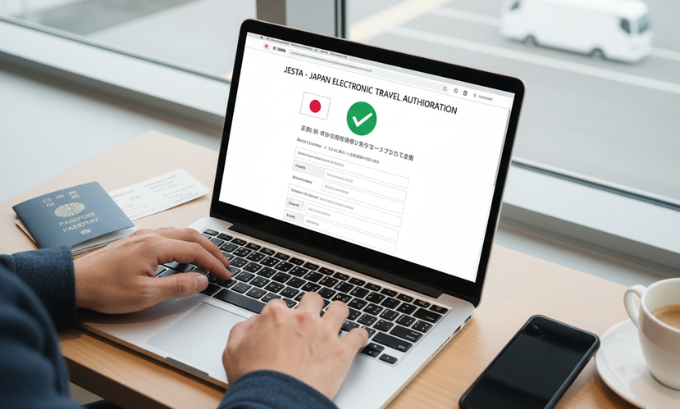
Japan is introducing the Japan Electronic System for Travel Authorization (JESTA), a digital pre-screening platform similar to the United States’ ESTA program or Europe’s upcoming ETIAS system. JESTA will apply to travelers from visa-exempt countries who currently enjoy hassle-free entry.
How JESTA Works
Before your flight, you’ll complete an online application providing:
- Passport information
- Travel itinerary
- Health and security declarations
- Contact details in Japan
The system screens applicants against security databases. Most approvals are instant, but some applications may require additional review. Once approved, your JESTA authorization is valid for multiple entries over a specified period (likely two years, based on similar systems).
Who Needs JESTA?
If you’re from a country that currently enjoys visa-free entry to Japan—such as the US, Canada, UK, Australia, or most EU nations—you’ll need JESTA authorization starting in 2025. This includes tourists, business visitors, and those transiting through Japanese airports.
Fees and Processing
While exact fees haven’t been finalized, comparable systems charge:
- US ESTA: $21
- EU ETIAS (launching 2025): €7 (about $7.50)
Japan’s JESTA fee is expected to fall within this range—likely between ¥1,000 and ¥2,000 ($7-$14). Processing times are typically instant for straightforward applications, though complex cases may take up to 72 hours.
For those planning extended stays or considering longer-term options in Japan, understanding living costs in Tokyo can help you budget appropriately beyond just visa fees.
Changes to Japan’s Visa Fee Structure
Japan is also overhauling its visa fees for those who do require traditional visas. Historically, Japan’s visa processing fees have been among the lowest in the developed world—unchanged since 1978 for transit visas (¥700) and since 1981 for other categories.
Current vs. Proposed Fees
| Visa Type | Current Fee | Proposed 2025 Fee | Increase |
|---|---|---|---|
| Single-entry visa | ¥3,000 ($21) | ¥6,000 ($42) | 100% |
| Double-entry visa | ¥6,000 ($42) | ¥12,000 ($84) | 100% |
| Multiple-entry visa | ¥6,000 ($42) | ¥12,000 ($84) | 100% |
| Transit visa | ¥700 ($5) | ¥2,000 ($14) | 186% |
These increases bring Japan closer to international standards. For comparison:
- US B1/B2 Tourist Visa: $185
- UK Standard Visitor Visa: £115 ($145)
- Schengen Visa (Europe): €90 ($96)
Even after doubling, Japan’s visa fees remain competitive. A multiple-entry visa at ¥12,000 ($84) is still significantly cheaper than equivalent US or UK options.
Administrative Changes and Stricter Requirements
Beyond fee increases, Japan is tightening administrative procedures. According to policy experts at Meiji University, these changes aim to improve security screening and reduce processing errors. Key changes include:
- Enhanced biometric collection: Fingerprints and facial recognition data at more entry points
- Stricter document verification: More thorough checks of sponsorship letters, financial statements, and invitation documents
- Increased scrutiny of business visas: Detailed itineraries and proof of legitimate business activities required
- Digital application systems: Moving away from paper-based processes to reduce fraud
These measures may extend processing times, particularly for first-time applicants or complex cases. Plan accordingly and apply well in advance of your intended travel date.
Travelers concerned about regional stability should also monitor developments like Ukraine-Russia tensions and why Russia declared war in 2022, as geopolitical shifts can affect global visa policies and travel advisories.
The Digital Nomad Visa: A New Opportunity
While some changes make travel more expensive, Japan is also introducing a progressive new option: the Digital Nomad Visa. This visa category targets remote workers who want to live in Japan while working for foreign employers or running online businesses.

Key Features
- Duration: Initially six months, potentially renewable
- Income requirement: Minimum annual income of approximately ¥10 million ($70,000)
- Scope: Allows you to reside in Japan while working remotely for non-Japanese companies
- Family inclusion: Spouses and dependents may be eligible
Who Benefits?
This visa is perfect for:
- Freelancers with international clients
- Remote employees of overseas companies
- Digital entrepreneurs running location-independent businesses
- Professionals seeking a change of scenery without changing employers
Japan’s excellent infrastructure, high-speed internet, and rich culture make it an attractive base for digital nomads. Cities like Tokyo, Osaka, and Fukuoka offer vibrant expat communities and coworking spaces.
If you’re interested in exploring Tokyo beyond work, resources on Disneyland Tokyo, Tokyo nightlife, and Japan after dark experiences can help you make the most of your time there.
Application Process
The application process is expected to be straightforward but thorough:
- Proof of income: Tax returns, bank statements, or employment contracts
- Health insurance: Comprehensive coverage valid in Japan
- Clear criminal record: Background check from your home country
- Business plan or work description: Demonstrating legitimate remote work
- Accommodation proof: Lease agreement or hotel booking
Processing times are anticipated to be 2-4 weeks for complete applications. Given the income threshold and documentation requirements, this visa targets established professionals rather than entry-level remote workers.
For those wanting to understand Japanese family dynamics or broader cultural context before committing to a longer stay, background research can ease your transition.
Real-World Case Studies: Lessons from Recent Visa Applications
To understand how these changes might affect you, let’s examine some real-world scenarios based on recent applicant experiences:
Case 1: The Tourist Family
The Johnson family from the US planned a two-week vacation to Japan. Under the old system, they faced no visa requirements and paid ¥4,000 in departure taxes. In 2025:
- They’ll need JESTA approval (approximately $56 for four people)
- Departure taxes could triple to ¥12,000 ($84)
- Total additional cost: About $110
Lesson: Budget-conscious travelers should factor these costs into their trip planning. While not prohibitive, these fees add up for larger families.
Case 2: The Business Traveler
Sarah, a consultant based in Singapore, visits Japan quarterly for client meetings. She previously enjoyed visa-free entry and paid minimal departure fees. Now:
- Annual JESTA renewal: ¥2,000 ($14)
- Four departure fees at ¥3,000 each: ¥12,000 ($84)
- Annual increase: Approximately $98
Lesson: Frequent business travelers should account for recurring costs. Companies may need to adjust travel budgets to accommodate these changes.
Case 3: The Startup Visa Applicant
Tom, an entrepreneur from the UK, applied for Japan’s Startup Visa. His application was delayed due to missing details in his sponsorship letter. He had to resubmit with:
- Detailed business plan
- Financial projections
- Letters of support from Japanese partners
- Additional documentation proving market research
Lesson: Visa applications now face stricter scrutiny. Work with experienced immigration consultants and ensure all documentation is thorough and accurate. Don’t underestimate processing times.
Case 4: The Digital Nomad
Lisa, a software developer from Canada, applied for the Digital Nomad Visa. She met the income requirement and provided:
- Two years of tax returns
- Employment contract with a US company
- Proof of health insurance
- Accommodation booking in Tokyo
Her application was approved in three weeks. She now enjoys a six-month stay in Tokyo while working remotely.
Lesson: If you meet the criteria, the Digital Nomad Visa offers a smooth path to extended stays. Prepare documentation thoroughly and apply early.
For broader business considerations, understanding what makes a business successful and how to scale a business in international markets might be valuable if you’re planning entrepreneurial activities.
Practical Tips for Navigating the New System
For Tourists
- Apply for JESTA early: Don’t wait until the last minute. Apply at least one week before departure.
- Budget for fees: Factor departure taxes and JESTA costs into your travel budget.
- Check validity: Ensure your passport is valid for at least six months beyond your travel dates.
- Keep documentation handy: Print or download your JESTA approval and have it ready at immigration.
For Business Travelers
- Update company policies: Ensure corporate travel policies reflect new fees and requirements.
- Plan ahead: Allow extra time for visa processing if you need a traditional visa rather than relying on JESTA.
- Maintain records: Keep detailed records of business activities in Japan to satisfy stricter entry requirements.
- Consider multiple-entry visas: If you travel frequently, a multiple-entry visa may be more cost-effective than repeated JESTA applications.
For Visa Applicants
- Work with professionals: Consider hiring an immigration lawyer or consultant, especially for complex cases.
- Prepare comprehensive documentation: Don’t submit incomplete applications. Gather all required documents before applying.
- Allow extra time: Processing times may be longer due to enhanced screening. Apply at least 6-8 weeks before your intended travel date.
- Be honest and accurate: Inconsistencies or inaccuracies can lead to delays or rejections.
- Stay informed: Regulations may continue to evolve. Check official sources or consult with professionals for the latest updates.
If you’re pursuing entrepreneurial ventures, exploring small business ideas or learning from profitable company case studies might inspire your business planning for a Japan-based venture.
FAQs about Japan Visa Update 2025
Q: When do these changes take effect?
A: Most changes are expected to be implemented in early to mid-2025. The exact dates will be announced by the Japanese government. Check with your nearest Japanese embassy or consulate for the latest information.
Q: Do I need JESTA if I already have a valid visa?
A: No. If you hold a valid Japanese visa (student, work, dependent, etc.), you don’t need JESTA. The system is for visa-exempt travelers only.
Q: Can I apply for JESTA at the airport?
A: No. JESTA must be completed online before your flight. Airlines may deny boarding if you don’t have a valid JESTA authorization.
Q: How long is JESTA valid?
A: While not officially confirmed, it’s expected to be valid for two years or multiple entries, similar to the US ESTA system.
Q: Will the Digital Nomad Visa allow me to work for Japanese companies?
A: No. The Digital Nomad Visa is specifically for remote work with foreign companies or freelance work for international clients. Working for Japanese companies requires a different visa category.
Q: Can I switch from a tourist entry to a work visa while in Japan?
A: Generally, no. You’ll need to exit Japan and apply for a work visa from your home country or a country where you have legal residency.
Q: What happens if my JESTA application is denied?
A: You’ll need to apply for a traditional visa through a Japanese embassy or consulate. Denials are expected to be rare for straightforward cases.
Q: Are children subject to the same fees?
A: Yes. Children require their own JESTA authorization and are subject to departure taxes, though some airlines may offer reduced rates for infants.
For those interested in technological developments that might affect travel documentation and digital processes, updates on Apple AI capabilities or SumoSearch functionality show how digital systems are evolving globally.
The Political and Economic Context
Japan’s visa and fee changes don’t exist in a vacuum. They’re part of a broader strategy to balance tourism promotion with fiscal responsibility.
Tourism vs. Revenue
Japan has aggressively promoted inbound tourism for years. The “Visit Japan” campaign aimed to attract 40 million visitors annually pre-pandemic. The country succeeded, becoming one of Asia’s top tourist destinations. However, this influx strained infrastructure at popular sites and airports.
The new fees address two goals:
- Generate revenue: Funding domestic programs like free high school tuition
- Manage congestion: Higher costs may slightly reduce visitor numbers at peak times, easing pressure on infrastructure
Political Strategy
As noted by political analysts, the LDP and Nippon Ishin carefully chose to increase fees on foreigners rather than domestic travelers. This strategy minimizes political risk, as foreign visitors don’t vote in Japanese elections. It’s a pragmatic, if controversial, approach to raising revenue without alienating constituents.
Comparative Analysis
Japan’s approach mirrors strategies used by other countries facing similar challenges:
- Thailand: Introduced increased visa fees and longer-stay options to attract high-value tourists
- New Zealand: Implemented tourist taxes to fund conservation and infrastructure
- Iceland: Raised fees to manage overtourism while maintaining visitor quality
Japan is following a well-established playbook, adapting it to local political and economic realities.
For readers interested in the intersection of politics and policy, analyses of US-Israel relations, how Israel was established, and discussions about the Israel-Palestine conflict or Israel-Hamas tensions provide context on how international relations shape domestic policies.
What This Means for You
Whether you’re a tourist, business traveler, or aspiring expat, Japan’s 2025 visa and fee changes will affect you. Here’s the bottom line:
For Tourists: Expect to pay more, but the process remains straightforward. Budget for JESTA and increased departure taxes. Apply for JESTA early and keep your approval handy.
For Business Travelers: Plan ahead, especially if you need traditional visas. Work with your company to update travel policies and budgets. Consider multiple-entry visas if you travel frequently.
For Remote Workers: The Digital Nomad Visa opens exciting opportunities. If you meet the income requirement and have the right documentation, Japan is now a viable long-term base.
For Everyone: Stay informed. Regulations will continue to evolve, and official announcements will provide the most accurate, up-to-date information.
If you’re weighing broader life decisions about international living, resources on minimalist lifestyle choices or foods to boost your immune system during challenges offer perspectives on adapting to new environments.
Looking Ahead
Japan’s visa reforms represent a significant shift in how the country manages international travel. By modernizing its fee structure, introducing digital systems like JESTA, and creating new visa categories like the Digital Nomad Visa, Japan is positioning itself for the future of global mobility.
These changes reflect broader trends: countries worldwide are balancing openness with security, tourism promotion with infrastructure sustainability, and attracting visitors while funding domestic priorities. Japan’s approach—pragmatic, technology-driven, and economically strategic—offers a model for other nations facing similar challenges.
For travelers, the message is clear: Japan remains open, welcoming, and accessible. The changes simply require a bit more planning and a slightly larger budget. For those willing to navigate the new system, Japan’s rich culture, stunning landscapes, and warm hospitality await.
Whether you’re curious about coding courses to enhance your remote work skills, exploring affordable accounting software for startups if you’re an entrepreneur, or keeping up with cybersecurity trends to protect your digital business, staying informed across multiple domains helps you adapt to an increasingly connected world.
Similarly, understanding democracy in America or TikTok’s global banned countries list provides context for how policy decisions ripple across borders—including visa and travel regulations.
For insights on how technology conferences shape the future (much like policy changes shape travel), coverage of events such as the Consumer Electronics Show offers a glimpse into innovation trends that eventually influence everything from digital visa systems to biometric screening at borders.
