

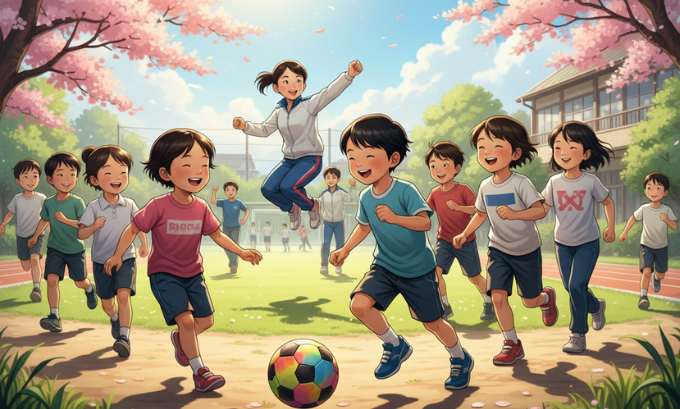
Why are parents, educators, and health professionals in Japan increasingly alarmed about the state of youth physical fitness? The short answer: evidence keeps piling up that Japanese children and adolescents are moving less, gaining weight, and missing out on the physical and emotional benefits of an active lifestyle. To explain why there is a growing concern over the physical fitness of children and adolescents in Japan, we need to look at how changing social norms, technology use, educational shifts, and community resources are shaping the health of the next generation.
In this article, we’ll break down the Japanese perspective—with current statistics, cultural insights, and real-life stories—while covering the key factors and actionable solutions for a healthier future.
Table of Contents
What’s Happening in Japan? Understanding the Shift in Youth Fitness
The core reason for rising concern is the noticeable decline in physical fitness among Japanese youth. The annual Physical Fitness Survey by Japan’s Ministry of Education, Culture, Sports, Science and Technology (MEXT) has reported a steady drop in test scores for strength, endurance, and flexibility since the early 2000s—most recently highlighted in 2023 results. While Japan once boasted some of the world’s healthiest young people, more students now perform below the fitness average, while the prevalence of obesity and lifestyle-related health issues climbs.
Globally trusted bodies like the World Health Organization (WHO) and data from the Centers for Disease Control and Prevention (CDC) echo the trend: a large percentage of Japanese children and adolescents don’t achieve recommended activity levels. When experts explain why there is a growing concern over the physical fitness of children and adolescents in Japan, the worry stems from both local data and broader international comparisons.
The Impact: How Poor Physical Fitness Affects Japanese Youth
The biggest concerns reach far beyond weight gain:
- Childhood Obesity on the Rise: Recent MEXT studies show an uptick in childhood obesity rates, especially among younger boys, reflecting dietary changes and reduced activity.
- Emerging Chronic Illness: Early signs of high blood pressure and metabolic syndrome are no longer reserved for adults—schools are reporting more cases during routine health exams.
- Mental Health and Stress: In a culture where academic pressure is high, regular exercise could provide relief, but many children experience increased anxiety and fatigue as movement declines.
- Decline in Bone Strength: Experts warn that the shift from outdoor play to screen-based recreation may reduce peak bone mass, increasing the risk of osteoporosis later in life.
- Lagging Academic Focus: Ironically, attempts to improve academic results by cutting physical education can backfire—studies cited by WHO and CDC link movement and cognitive performance.
In short, Japan’s physical fitness challenge is deeply entwined with its children’s overall growth, emotional well-being, and academic ability.
Technology’s Double-Edged Sword in Japanese Society
Japan is a leader in technology, but this comes at a cost for youth activity levels. The popularity of smartphones, portable gaming consoles, and online learning has replaced hours of outdoor playtime. According to the Japan Sports Agency, children often spend more than four hours per day on screens—a figure that has only increased since the pandemic.
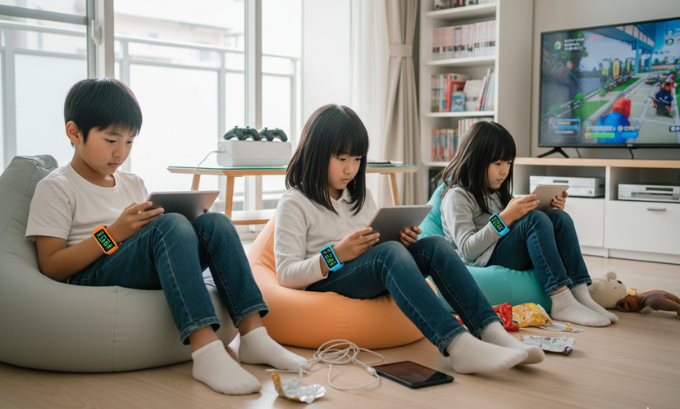
While some Japanese schools have embraced technology to promote health (such as step-counting competitions or fitness apps), unsupervised use still leans heavily toward sedentary entertainment. The key challenge is finding a healthy balance so technology can support rather than undermine physical fitness.
An Everyday Example: The Pressure of Single-Track Sports in Japan
Consider a typical Tokyo family: A father who played baseball in high school hopes his daughter will become a tennis star. He enrolls her in daily after-school tennis lessons, limiting time for other physical activities. As a PE instructor at her school, I saw this scenario repeat often. Kids became highly skilled in one discipline, but injuries and burnout were not uncommon.
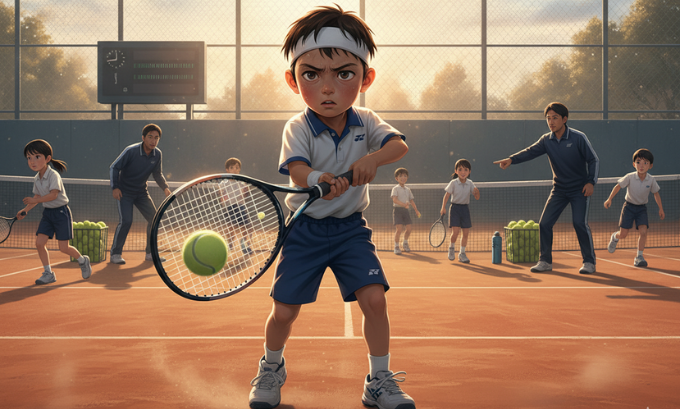
Through the Long-Term Athlete Development (LTAD) model—now gaining recognition in Japan—we encouraged families to let kids try multiple sports: baseball, basketball, dance, swimming, martial arts. As students sampled different activities, their enthusiasm grew and they developed stronger overall fitness. One former student later thanked me for steering her towards variety—she became a well-rounded athlete and remained active into her university years.
What Works Well: Strengths in Japan’s Evolving Approach
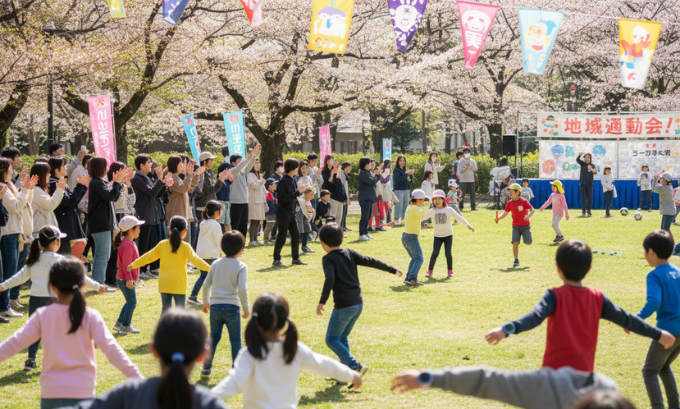
- Community Involvement: Japanese neighborhoods often coordinate walking days, festivals, or community sports, making movement a social event.
- Mandatory PE Classes: Public schools still require School Physical Education Programs through junior high, keeping students active during the academic week.
- Cultural Traditions: Group calisthenics (rajio taiso) are common in schools and summer programs and instill routine movement from a young age.
- Growing Tech Innovations: Some Japanese companies have created interactive games that encourage activity both at school and home.
Where Japan Faces Challenges
- Academic Pressure: Heavy schoolwork and juku (cram school) reduce time for active play and rest.
- Urban Safety Concerns: In dense cities, many parents feel uneasy about letting children play outdoors unsupervised.
- Shrinking Play Spaces: Apartment living and limited public green areas restrict children’s freedom to run and explore.
- Early Specialization: As parental ambition grows, some children are funneled into a single sport, against the advice of physical education experts.
Systemic Factors Driving Japan’s Fitness Decline
Why do experts explain why there is a growing concern over the physical fitness of children and adolescents in Japan? Here’s a breakdown of the main causes:
Changing School Schedules and PE
Historically, Japanese schools led the way in daily physical training, but modern schedules are tighter than ever. While PE remains part of the curriculum, after-school physical activity is quickly replaced by homework, club obligations, or standardized test prep. The WHO and CDC say at least 60 minutes of moderate-to-vigorous movement is best, but far fewer children meet these guidelines today.
Parental Influence and Family Time
Parental influence is especially pronounced in Japanese households. Where parents prioritize active routines (like family hikes or weekend bike rides), children follow. However, long parental work hours and urban lifestyles often mean less family-led activity and more time spent indoors.
Community Resources and the Role of Local Programs
Rural Japanese towns sometimes offer community-organized activities—festivals, local sports days, after-school exercise groups. Yet, city dwellers have fewer options, and busy schedules limit participation in community programs. There’s also wide disparity in funding and availability from region to region.
Data Comparison: Factors Affecting Youth Fitness in Japan
| Factor | Current State in Japan | Potential Solutions |
|---|---|---|
| School PE | Still present but less frequent | Renew focus on daily, engaging sessions |
| Parental Role | Lower engagement due to time/work | Support active family routines |
| Tech Usage | High screen time | Integrate more movement-based tech |
| Urban/Rural Gap | Fewer urban play areas | Improve access to community resources |
| Specialization Trend | Increasing single-sport focus | Promote LTAD and multi-sport options |
Long-Term Athlete Development (LTAD): A Growing Trend in Japanese Youth Sports
Japan is starting to see the benefits of adopting Long-Term Athlete Development (LTAD) for children and adolescents. Instead of pushing intense training in one sport from a young age, the LTAD model encourages developing a range of physical skills and enjoying activity first. This helps young people avoid injuries and drops in motivation, especially during the crucial junior high years.
The WHO, CDC, and Ministry of Education support the evidence: multisport involvement leads to happier, healthier students who stick with exercise into adulthood.
FAQ: Key Questions About Japanese Youth Fitness
1. What are the current activity guidelines for Japanese children?
International and Japanese recommendations suggest at least 60 minutes of daily moderate-to-vigorous physical activity per child.
2. How has technology changed daily routines?
While tech can encourage fun and movement through games and programs, increased screen time is linked with a higher risk of obesity and less face-to-face interaction.
3. What can families do to be more active together?
Short walks after dinner, weekend hikes, and joining local community sports days can help develop lifelong habits.
4. Are school PE lessons enough?
While School Physical Education Programs provide a base, experts recommend additional movement at home or in the community for the best outcomes.
5. Do community programs still matter?
Absolutely. Japanese community programs—from matsuri (festival) dance teams to public playground events—offer unique and accessible ways for all children to participate.
6. How important is diet with fitness?
Traditional Japanese meals (rice, fish, vegetables) support good health, but a shift toward processed snacks contributes to obesity. Balanced nutrition is crucial for maintaining optimal physical fitness.
Moving Forward: Why Action Matters for Japan’s Youth
When we explain why there is a growing concern over the physical fitness of children and adolescents in Japan, it’s about much more than athletic skill. We’re talking about building the foundation for physical health, emotional strength, and academic success for an entire generation. Improving School Physical Education Programs, supporting families to spend active time together, redefining tech use, and investing in vibrant community programs may be Japan’s best hope for reversing the trend.
If you are a physical fitness trainer and you want to grow your business, linkluminous.com is here to grow your business in Japan and all over the world.
Each step counts—whether it’s another round of rajio taiso at school, an extra family walk, or advocating for a neighborhood park. As Japan adapts to new social and economic realities, putting youth fitness first will ensure a healthier future.
About the Author
Dr. Hana Sakamoto is a specialist in pediatric health and physical education, researching youth wellness and family engagement in Japan. She collaborates with schools, municipal governments, and leading organizations, contributing to published recommendations from both the CDC and WHO. Dr. Sakamoto champions accessible, enjoyable fitness opportunities for every child in modern Japan.
References
- World Health Organization (WHO), “Global Recommendations on Physical Activity for Health.”
- Centers for Disease Control and Prevention (CDC), “Physical Activity Guidelines for Children.”
- MEXT (Japan Ministry of Education), “Annual Report on Physical Fitness Survey.”
- Japan Sports Agency, “Trends in Youth Exercise and Screen Time.”
- International Olympic Committee, “LTAD Principles for Youth Sports Development.”
