


Transforming a Japanese home or apartment can be surprisingly achievable, even on a tight budget. With thoughtful, Japan-specific affordable home decor ideas, any space—whether Tokyo shoebox or countryside minka—can become comfortable, stylish, and uniquely yours. This guide blends local wisdom, essential product picks, and hands-on scenarios, all tailored for Japanese living.
Let’s discover what works best in Japan’s compact interiors, ever-changing seasons, and rich culture of “less is more.”
Table of Contents
What Are Japan’s Top Affordable Home Decor Ideas?
In Japan—where space comes at a premium and simplicity reigns—fast, inexpensive updates go a long way:
- Bring in indoor plants for nature and tranquility, even in tiny apartments
- Use sheer curtains for privacy and daylight, while honoring minimalist aesthetics
- Create an accent wall with prints, washi tape, or family photos—no drilling or permanent marks
- Use room dividers (byōbu, noren) to separate living zones and maintain a sense of flow
- Layer with textiles, aromatic candles, and clever storage for both warmth and tidiness
Now, let’s see how these ideas fit daily life in a Japanese apartment or house.
Greener Living: Indoor Plants for Japanese Spaces
How can I add a natural touch to my apartment in Japan—with minimal space?
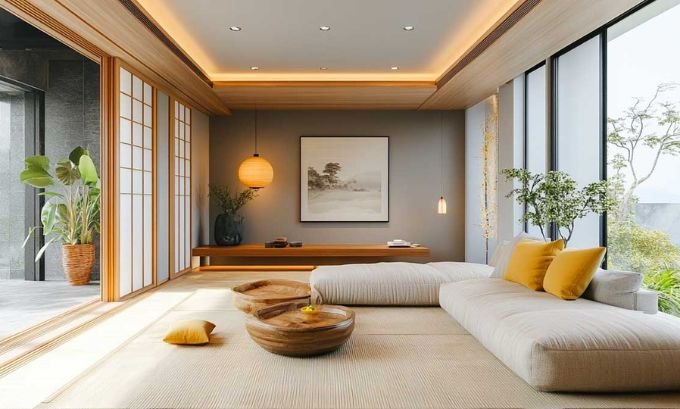
Indoor plants are a beloved Japanese decor element for good reason.
After moving into a small Tokyo studio, I noticed how much calm a single plant could bring. My first was a dracaena in a slim Golden Metal Planter from Tokyu Hands. Even in a narrow genkan (entryway) or on a windowsill, greenery feels refreshing—a gentle nod to the outdoors prized in Japanese culture.
Local Example:
Tokyo-based designer Palash Agrawal of Vedas Exports recommends upright snake plants or compact succulents for sun-drenched Japanese balconies. These not only fit into modern interiors but are also known as “air-purifiers,” much needed during Japan’s cedar pollen season.
Strengths:
- Compact sizes fit tight layouts typical of Japanese housing
- Indoor plants like pothos or bamboo are culturally connected to “zen” and well-being
- Easily found at 100-yen shops, home centers, and florists
Points to Mind:
- Avoid clutter—too many potted plants can overwhelm minimalist rooms
- Use light, easy-to-clean planters; weight matters in multi-story buildings
Light & Privacy: Sheer Curtains, Japanese-Style
Is there a way to keep my home bright but private from neighbors?
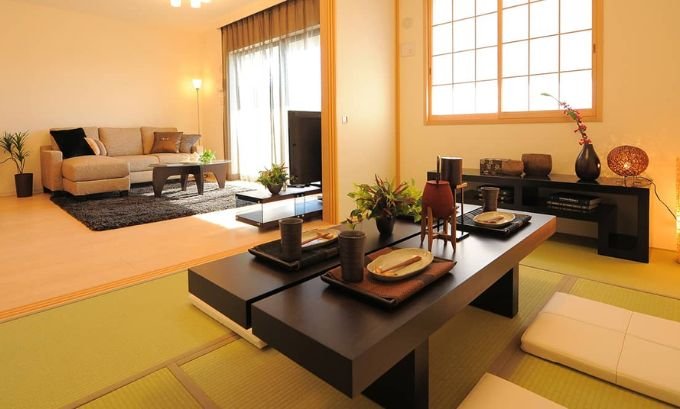
Sheer curtains are essential, and they suit both Western and traditional Japanese interiors.
In my old Kyoto share-house, the shoji paper screens let in gorgeous diffused light, but I wanted more privacy. I added simple sheer white curtains from Nitori—softening the light while keeping the room open and spacious. For apartments with large glass windows (common in Japan), layered sheers and blackout panels give flexibility through each season.
Tip: If you live in a traditional house, try using sheer noren (curtains) in doorways to gently divide rooms while allowing air to flow.
Why It Works in Japan:
- Promotes natural light, saving electricity
- Available in plain or subtle-pattern fabrics to match minimalist styles
- Excellent for concealing cluttered balconies or laundry areas
Keep in Mind:
- City dust and pollen mean more frequent washing is needed
- Sheers can be combined with blinds or sudare (bamboo shades) for heat control
Unique Expression: Accent Walls in Japanese Homes
How do I make my space personal, yet avoid damage (especially in rentals)?
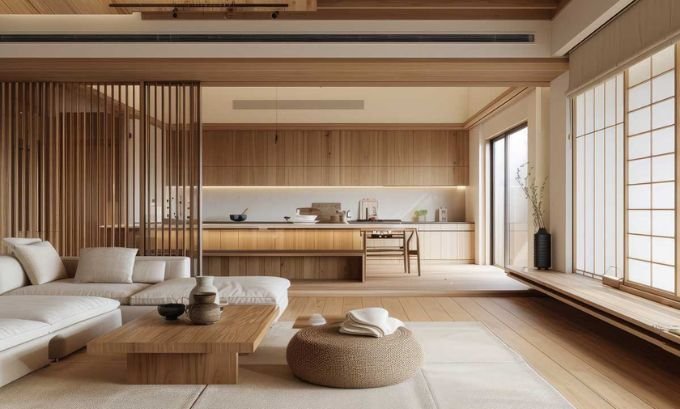
Create an accent wall using Command Hooks and Strips and Japan-safe adhesives.
After moving into a Yokohama LeoPalace rental, I was hesitant to decorate. With strict “no hole” rules, I got creative—using removable washi tape to put up family photos, seasonal prints, and even a lightweight antique mirror. Art from Tokyo’s Design Festa or regional craft fairs adds personality while keeping walls pristine.
How-To (Japanese Context):
- Test layout on the floor; Japanese renters value careful planning
- Combine seasonal art—sakura in spring, momiji leaves in autumn
- Mirrors reflect natural light and make “1K” apartments feel bigger
| Accent Wall Option | Estimated Local Cost | Difficulty |
|---|---|---|
| Removable washi tape patterns | ¥300–¥800 | Easy |
| Mix of prints, art, small photos | Free–¥5,000 | Easy |
| Thrifted mirrors (Hard Off, Recycle) | ¥1,500–¥3,000 | Medium |
| Peel-and-stick Japanese wallpaper | ¥2,000–¥7,000 | Moderate |
Strengths:
- Rental-friendly—no tools, no damage
- Lets you showcase travel memories, traditions, hobbies
Cautions:
- High humidity in Japan can affect adhesives—press firmly and check monthly
- Don’t overfill tiny walls; Japanese spaces benefit from “less is more”
For a broader perspective on stylish yet budget-friendly interiors, visit mindjournal.co for more affordable home decor ideas and inspiration. And Looking for inspiration tailored to Indian apartments and urban living? Visit mumbaitimes.net for Mumbai-friendly home decor ideas.
Smart Layouts: Room Dividers & Mats
I live in a 1K or a family home. How do I separate zones to study, relax, and sleep?
Room dividers (byōbu, noren), open shelves, or even rugs are classic affordable home decor ideas in Japan.
When I first arrived in Fukuoka, my “living-dining-kitchen” was just one room! I bought an affordable noren from Loft and used it to screen off my futon area. A Sapana Carpet-Mats area rug from Amazon Japan instantly defined my sitting zone for tea and TV.
Expert Insight:
Nishith Gupta at Sapana Carpet-Mats recommends stackable rugs and foldable room dividers for Japanese homes. These create defined “rooms within rooms”—especially useful for shared flats.
Practical Solutions:
- Shop for lightweight, folding byōbu screens at home centers
- Open shelving units double as display and division
- Hang noren (curtains) on door frames or between tatami and kitchen areas
Benefits:
- Instantly create privacy in open-plan layouts
- Store or move dividers easily during seasonal cleaning (osoji)
What to Watch:
- Choose moisture-resistant rugs that dry quickly during Japan’s rainy season
- Go for accordion-style dividers that fit in compact closets for storage
Soothing Touches: Soft Textiles & Aromatic Candles
What decor makes a Japanese apartment inviting and easy to live in?
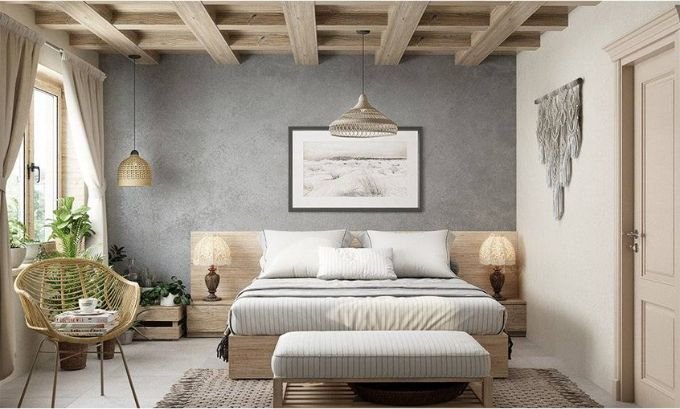
Focus on plush throws, multi-functional storage, and subtle aromatic candles for relaxation.
After work, I love unwinding with a book and the glow of a lavender candle (from Muji) drifting through my Saitama flat. Aromatic candles in yuzu or hinoki scents mask city odors and bring a sense of calm. For organization, I use slim bedside caddies to keep my go-to skincare, including Mamaearth Hydra Glow Full Coverage Foundation, handy—Japanese spaces thrive on minimalist tidiness.
Reasons This Works:
- Soft furnishings add warmth, essential in tatami rooms or with concrete floors
- Aromatic candles are safer in glass holders—never leave unattended!
- Organization tools (like compact bins or trays) maximize utility
Keep In Mind:
- Japanese apartments are compact—each decor piece should earn its spot
- Choose candles and textiles with subtle, nature-inspired, or seasonal scents/colors
For affordable home accents and decor essentials perfect for Japanese living, check out Tokyo Mart curated selection of compact, stylish, and space-saving solutions.
FAQ: Affordable Home Decor Ideas in Japan
1. Where can I find budget indoor plants in Japan?
Try 100-yen shops (Daiso, Seria), garden stores at local stations, or weekend farmers markets in your neighborhood.
2. How can I hang decor in a rental apartment?
Use Command Hooks, Japanese “pitta” sticky tabs, or washi tape for lightweight art and photos—rental-safe and easily removable.
3. What’s the best window treatment for privacy AND daylight?
Layer sheer curtains with blinds or sudare. Sheers let in light, while blinds add privacy as needed.
4. Are room dividers practical in small Japanese homes?
Yes! Folding byōbu screens, noren, or even open shelving units let you shift layouts easily for guests or seasonal needs.
5. How do I avoid musty air or odors, especially in older buildings?
Use aromatic candles (yuzu, hinoki, or green tea scents), open windows daily, and air out futons regularly.
6. Where can I buy affordable planters, organizers, and textiles?
Shop at Muji, Nitori, Don Quijote, or local recycle shops for deals on stylish, space-saving pieces.
7. What affordable decor can give my home a Japanese vibe?
Display indigo dyed textiles, origami art, or washi-patterned trays. Seasonal flower branches or bamboo also fit the “wabi-sabi” style.
Final Thoughts: Embracing “Home” in Japan—Affordably
Affordable home decor ideas in Japan balance beauty, function, and serenity. With just a few strategic updates—greenery, soft light, artistic touches, flexible layouts—any Japanese apartment, condo, or house can become a true haven.
Start with a small plant or a noren curtain. Layer in memories, and don’t fear swapping things out as seasons and tastes change. In Japan, even the smallest design choice can bring joy and harmony—one corner at a time.
