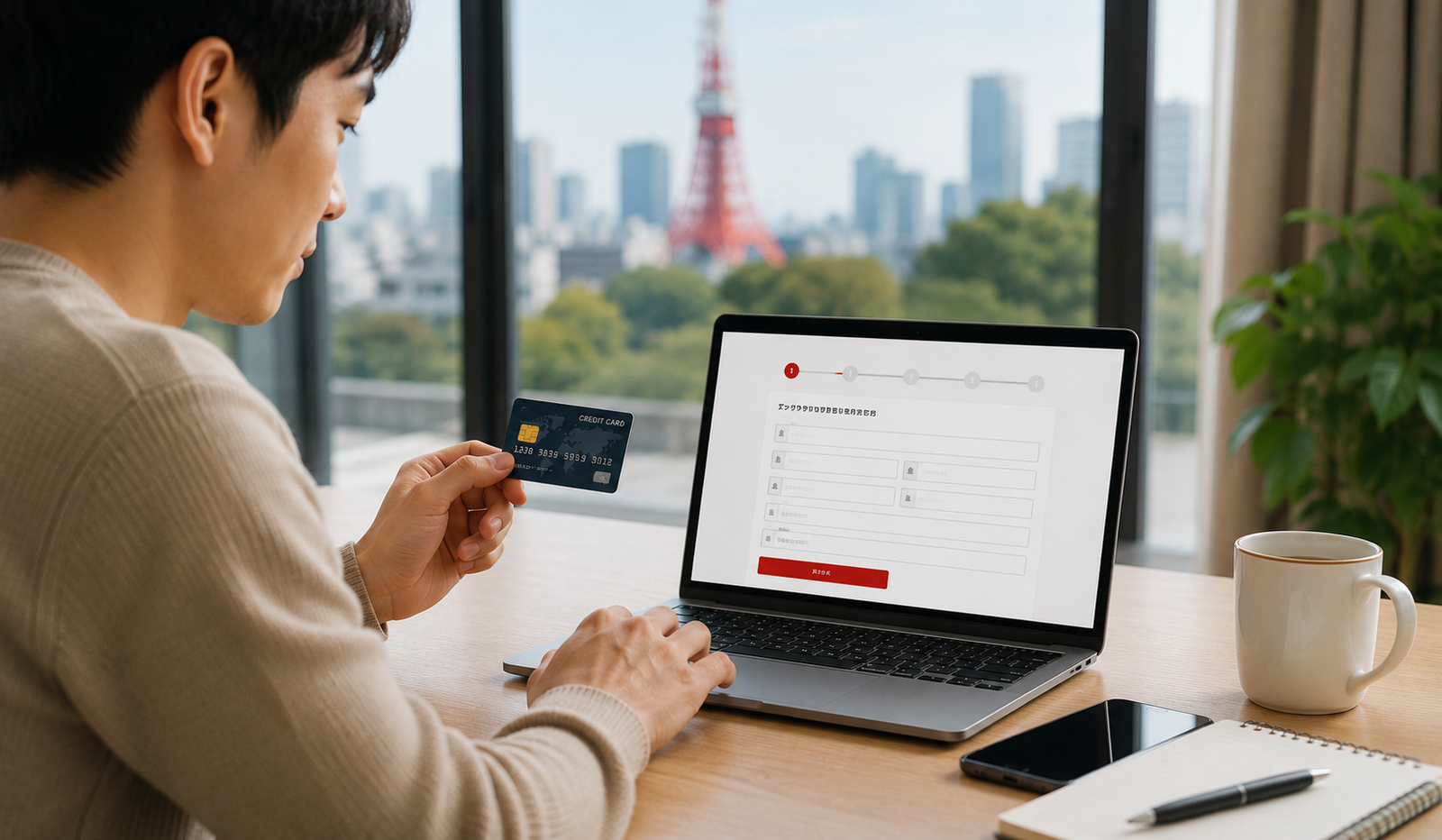
How to Get a Credit Card in Japan for Foreigners with Easy Approval Tips and Steps
Getting a credit card in Japan as a foreigner is possible but requires meeting specific eligibility criteria, including a valid residence card, a Japanese bank account, and a stable income. Foreign nationals on long-term visas have the best chances of approval. Choosing foreigner-friendly card issuers and applying carefully can significantly improve your odds.
Japan runs on cash—but that’s changing. Convenience stores, transit systems, and restaurants increasingly accept card payments, and carrying yen everywhere is less practical than it once was. For foreigners living in or visiting Japan, getting a credit card unlocks a more convenient daily life, builds local credit history, and opens the door to loyalty points on everything from flights to groceries.
The problem? Japan’s credit card application process is notoriously opaque. Rejection rates for foreign nationals are high, and many applicants don’t understand why they were turned down. Japanese credit card issuers use a scoring system called “shinsa” (審査), a proprietary screening process that weighs factors like employment status, income stability, length of residency, and credit history—none of which a newly arrived foreigner is likely to have in abundance.
This guide breaks down exactly how to get a credit card in Japan as a foreigner, from the documents you’ll need to the cards most likely to approve your application. Whether you’re a student on a study visa, a professional on a work visa, or a permanent resident, there’s a path forward.
What Are the Basic Eligibility Requirements for Getting a Credit Card in Japan?
Before diving into specific cards, it helps to understand what Japanese credit card issuers are actually looking for. The requirements vary between issuers, but most share a common baseline.
Residency status is the single most important factor. To apply for a Japanese credit card, you generally need a valid residence card (在留カード, zairyū kādo), which means you must be on a mid- to long-term visa. Tourist visa holders and short-term visitors cannot apply. Visa categories that typically qualify include work visas (engineer, specialist in humanities, etc.), spouse visas, student visas, and permanent residency.
A Japanese bank account is almost always required. Most credit card companies will deposit cashback rewards and direct debit repayments through a domestic bank account. Opening an account at Japan Post Bank (ゆうちょ銀行) or a major city bank like Mizuho, SMBC, or Sumitomo is an important first step before applying for a card.
Income and employment status matter a great deal. Full-time employees of Japanese companies are viewed most favorably. Part-time workers, freelancers, and students are not automatically disqualified, but they may face more scrutiny or need to apply for cards with lower credit limits.
Age is also a factor. Most cards require applicants to be at least 18 years old, and some cards targeted at students have their own age caps.
Finally, issuers will consider your length of residency in Japan. The longer you’ve been registered as a resident, the more trust the issuer extends. If you’ve just arrived, your options are narrower—but they exist.
What Documents Do You Need to Apply for a Credit Card in Japan?
Gathering the right documents before you apply saves time and reduces the risk of errors on your application. Here’s what most Japanese credit card issuers will ask for:
Residence card (在留カード): This is your primary identification document and confirms your legal right to reside in Japan. Make sure it is current and not close to expiration when you apply.
Passport: Some issuers request your passport alongside your residence card, particularly if you are a recent arrival.
My Number card or notification letter (マイナンバーカード): Japan’s national identification number is increasingly required for financial services. If you don’t have a My Number card yet, your notification letter will usually suffice.
Proof of income or enrollment: If you are employed, a recent pay slip or certificate of employment (在職証明書) works well. Students may need to provide their student ID or a certificate of enrollment.
Bank account details: Have your Japanese bank account number and branch information ready, as this will be used to set up automatic repayments.
Most applications can be completed online in Japanese. If reading Japanese is a barrier, tools like Google Translate or DeepL can help you navigate the forms—but double-check all entries carefully before submitting.
Which Credit Cards in Japan Are Most Foreigner-Friendly?
This is where many guides fall short. Not all Japanese credit cards accept foreign applicants equally, and applying for the wrong card leads to rejections that can actually hurt your chances with other issuers later. Here are some of the more foreigner-friendly options:
Rakuten Card (楽天カード) is widely regarded as one of the most accessible credit cards for foreign nationals in Japan. Rakuten Card accepts applicants from a wide range of visa types, offers a straightforward online application (partially available in English), and has a generous points system tied to the broader Rakuten ecosystem. The annual fee is free, and the points earned can be redeemed for travel, shopping, and more.
SAISON Card (セゾンカード) is another option worth considering. Credit Saison has a reputation for being more flexible in its screening than traditional bank-affiliated issuers. Some of their cards come with English-language customer support, making the application and management process more accessible for non-Japanese speakers.
EPOS Card (エポスカード) is issued by Marui (a major Japanese department store chain) and is known for being relatively easy to obtain even for foreign residents with shorter residency histories. Applications can be made in-store, and same-day issuance is sometimes possible, which is particularly useful for those who need a card quickly.
Sony Bank WALLET deserves a mention, though it is technically a debit card rather than a credit card. It functions like a Visa card and is accepted at most places that take credit cards. For foreigners who can’t yet qualify for a traditional credit card, Sony Bank WALLET is an excellent bridging option with favorable foreign currency exchange rates.
Shinsei Bank GAICA is a prepaid Visa card designed specifically with foreign residents in mind. While not a credit card, it is widely accepted and can be loaded with yen or foreign currencies, making it practical for daily use.
How Does the Japanese Credit Screening Process (審査) Work for Foreigners?
Understanding the shinsa process demystifies why rejections happen and what you can do to improve your odds. Japanese credit card issuers don’t publish their exact scoring criteria, but the factors that carry the most weight are fairly well understood.
Credit history in Japan is the foundation. Japan’s credit bureaus—CIC, JICC, and the KSC—track borrowing and repayment behavior. If you’re new to Japan, you have no Japanese credit history, which creates a blank slate. Blank slates are treated cautiously, not catastrophically, but they do limit which cards will approve you. Over time, responsible use of any financial product—including carrier billing through your mobile phone contract—builds your domestic credit profile.
Employment type and stability signal repayment reliability. A full-time employee at a recognized Japanese company is the most favorable profile. Contract workers, part-time employees, and self-employed individuals are not automatically rejected, but they face a higher bar. If you’re self-employed, demonstrating consistent income through tax filings can support your application.
Visa type and remaining validity reflect how long you’re likely to stay in Japan. Issuers are understandably cautious about extending credit to someone whose visa expires in three months. Applying with a recently renewed visa or after obtaining permanent residency significantly improves your chances.
Number of recent applications can also affect your score. Each credit application triggers a credit inquiry, which is visible to other issuers. Applying for multiple cards in quick succession signals financial instability. Space out your applications and start with the card you most want to obtain.
What Are Some Practical Tips to Improve Your Chances of Credit Card Approval in Japan?
Timing and preparation matter. Here are the most actionable steps foreign nationals can take to strengthen their application:
Build a banking relationship first. Open a Japanese bank account and use it actively for several months before applying for a credit card. Some banks, like SMBC and Mizuho, offer their own credit cards, and existing account holders may receive preferential treatment during screening.
Start with a mobile phone contract. Signing up for a postpaid mobile plan in Japan requires a credit check and creates a credit record at CIC. Successfully paying your phone bill every month is one of the simplest ways to begin building a Japanese credit history from scratch.
Apply for a card tied to a service you already use. Rakuten Card is a natural fit if you shop on Rakuten Ichiba. EPOS Card makes sense if you visit Marui stores. This kind of existing relationship can work in your favor during screening.
Keep your application simple and accurate. Errors on credit card applications—even minor ones—can trigger rejections. Make sure the name on your application matches exactly what appears on your residence card, and double-check all figures before submitting.
Consider a secured or prepaid card as a stepping stone. If you’re rejected for a standard credit card, don’t apply again immediately. Instead, use a prepaid or debit card for 6 to 12 months, build your credit profile, and reapply when your residency history and financial record are stronger.
Is It Possible to Get a Credit Card in Japan on a Student Visa?
Yes—but the options are more limited. Students on a study visa can apply for cards specifically designed for students, including the Rakuten Card, EPOS Card, and some department store cards. The credit limits are typically low (often between ¥10,000 and ¥100,000), but these cards serve their purpose for daily expenses and begin building a credit history.
Students working part-time under their visa’s 28-hour weekly work permit can include that income in their application. Be accurate when reporting income—overstating your earnings is grounds for immediate rejection and potential blacklisting from the issuer.
Building Your Financial Life in Japan, One Step at a Time
Getting a credit card in Japan as a foreigner is rarely quick and never guaranteed, but it is achievable with the right preparation. The key is understanding that Japan’s credit system rewards patience, stability, and consistency. Start with the basics—a bank account, a mobile contract, and a clear understanding of your visa status—then choose a foreigner-friendly issuer and apply with a complete, accurate application.
Rejection is not the end of the road. Many foreign nationals who were turned down initially successfully obtained cards 6 to 12 months later after strengthening their credit profiles. Treat the process as incremental. Each step you take—opening a bank account, paying bills on time, renewing your visa—builds the foundation that card issuers are looking for.
Japan’s cashless infrastructure is growing, and having a local credit card will make navigating daily life, travel bookings, and online shopping considerably easier. Start where you are, use what’s available to you, and work your way up.
Frequently Asked Questions About Getting a Credit Card in Japan
Can foreigners on a tourist visa get a credit card in Japan?
No. Japanese credit card issuers require applicants to hold a valid residence card, which is only issued to mid- to long-term visa holders. Tourists and short-term visitors are not eligible to apply for a domestic Japanese credit card.
What is the easiest credit card to get in Japan as a foreigner?
Rakuten Card and EPOS Card are consistently cited as two of the most accessible options for foreign nationals. Both have relatively flexible screening criteria and accept applicants from a wide range of visa categories.
Do I need to speak Japanese to apply for a credit card in Japan?
Most credit card applications in Japan are conducted in Japanese. However, some issuers—including Credit Saison and Rakuten—offer limited English support. Translation tools can help with online applications, though reviewing all information carefully before submitting is essential.
How long does it take to get approved for a credit card in Japan?
Approval timelines vary by issuer. Online applications with companies like Rakuten Card typically return a decision within a few days to a week. Physical delivery of the card takes an additional one to two weeks. EPOS Card offers same-day issuance at Marui store counters in some cases.
Will applying for multiple credit cards at once hurt my chances?
Yes. Each application creates a credit inquiry that is visible to other issuers. Applying for several cards simultaneously signals financial distress and reduces your chances of approval across all applications. Apply for one card at a time and wait for the outcome before applying elsewhere.
What should I do if my credit card application in Japan is rejected?
Avoid applying again immediately. Instead, focus on strengthening your credit profile: maintain consistent bill payments, build up your bank account history, and wait at least six months before reapplying. Identifying and addressing the likely reason for rejection—such as short residency or insufficient income—improves your odds next time.
