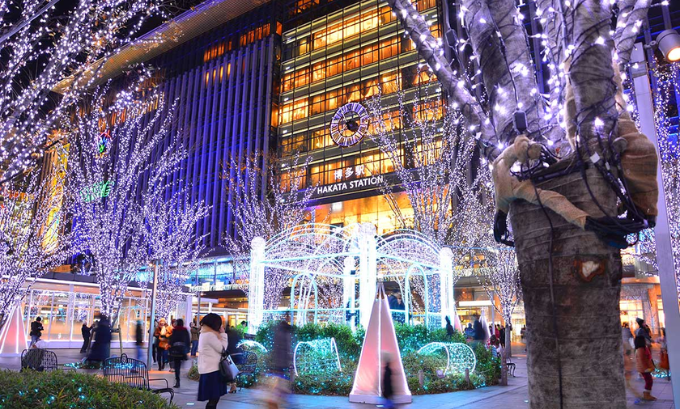
Christmas in Japan is a fascinating blend of romance, tradition, and modern celebration that creates an entirely unique holiday experience. Unlike Western Christmas traditions centered around family gatherings and religious observance, Japan Christmas traditions transform the holiday into a romantic celebration filled with illuminations, special cakes, and unforgettable experiences. From the bustling streets of Tokyo to the snowy landscapes of Hokkaido, Japan offers visitors and locals alike a Christmas celebration that beautifully reflects the country’s ability to adapt and reimagine global traditions.
Whether you’re planning to visit during the holiday season or simply curious about how Christmas is celebrated in Japan, this comprehensive guide explores everything from the famous KFC Christmas tradition to the spectacular winter illuminations that transform Japanese cities into wonderlands of light. We’ll also discover how Japanese Christmas cake became a symbol of prosperity and examine the fascinating cultural differences that make Japan’s approach to Christmas truly special.
Table of Contents
The Origins of Christmas in Japan: From Francis Xavier to Modern Celebrations
Christmas first arrived in Japan in 1549 when Portuguese missionary Francis Xavier introduced Christianity to the country. However, the holiday truly took root during the Meiji era (1868-1912) when Japan began embracing Western customs as part of its modernization efforts. Unlike many Western countries where Christmas evolved from deep religious traditions, Japan approached the holiday as a cultural import that could be adapted to fit local preferences and values.
The transformation of Christmas in Japan reflects the country’s remarkable ability to adopt foreign concepts while making them distinctly Japanese. During the post-World War II period, American cultural influence helped establish many of the Christmas traditions we see today, including the emphasis on gift-giving and romantic celebrations. However, Japan’s interpretation remained uniquely its own, focusing more on atmosphere, aesthetics, and shared experiences rather than religious significance.
Today, Christmas in Japan represents a perfect example of cultural adaptation. The holiday has become deeply embedded in Japanese society, not as a religious observance, but as a celebration of beauty, togetherness, and the magic of winter. This evolution continues to shape how Japanese people celebrate Christmas, creating traditions that are both familiar to international visitors and distinctly Japanese in their execution.
Japanese Christmas Cake: The Sweet Symbol of Holiday Prosperity
No discussion of Japan Christmas traditions would be complete without exploring the iconic Japanese Christmas cake, known locally as “Kurisumasu Ke-ki.” This delicate sponge cake, adorned with fresh whipped cream, bright red strawberries, and festive decorations, has become as essential to Japanese Christmas as turkey is to American Thanksgiving. The tradition began in the 1920s when Japanese confectioners began creating Western-style cakes for the holiday season.
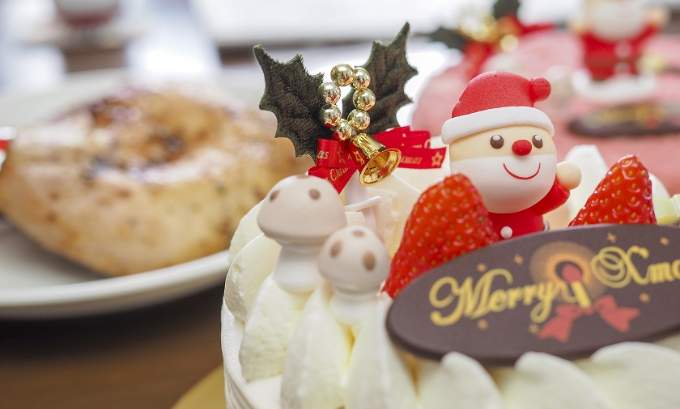
The Japanese Christmas cake represents more than just a dessert—it symbolizes prosperity, modernity, and the ability to enjoy life’s finer pleasures. Typically ordered weeks in advance from renowned bakeries, these cakes are often the centerpiece of Christmas Eve celebrations. The pristine white cream represents purity and new beginnings, while the red strawberries add a touch of luxury and color that makes the cake visually stunning.
What makes Japanese Christmas cake particularly special is the attention to detail and craftsmanship that goes into each creation. Japanese bakers have elevated this simple concept into an art form, with some cakes featuring intricate decorative elements, premium ingredients, and presentation that rivals fine jewelry. The cake has become so integral to Christmas celebrations in Japan that December 25th is often referred to as “Christmas Cake Day” by bakeries and dessert enthusiasts.
Winter Illuminations: Japan’s Spectacular Light Displays
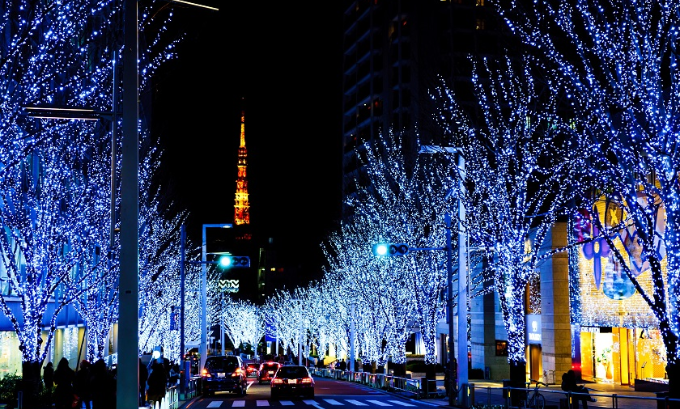
When discussing Japan Christmas traditions, the breathtaking winter illuminations deserve special attention. These elaborate light displays transform Japanese cities into magical wonderlands that attract millions of visitors each year. Unlike simple holiday decorations, Japanese illuminations are carefully designed artistic installations that combine technology, creativity, and cultural aesthetics to create truly spectacular experiences.
Tokyo Midtown and Roppongi Hills are renowned for their sophisticated illumination displays that feature millions of LED lights arranged in complex patterns and synchronized sequences. These installations often incorporate themes that reflect Japanese culture while celebrating the holiday spirit. Visitors can experience everything from tunnel-like light corridors to interactive displays that respond to movement and sound.
Nabana no Sato in Mie Prefecture takes winter illuminations to another level entirely, creating vast landscapes of light that tell stories and depict natural scenes. Their annual illumination displays feature themes that change yearly, from representations of Mount Fuji to recreations of famous paintings using millions of carefully programmed lights. These displays demonstrate how Japan approaches Christmas celebrations with the same attention to detail and artistic vision that characterizes many aspects of Japanese culture.
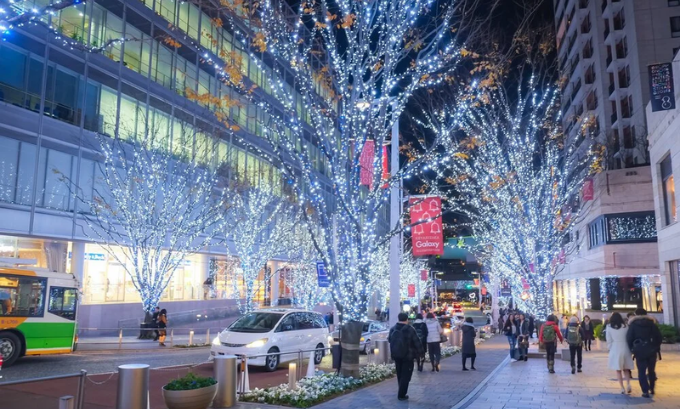
The popularity of winter illuminations extends beyond major tourist destinations. Smaller cities and towns throughout Japan create their own unique displays, often incorporating local themes and community participation. This widespread adoption of illumination displays shows how Christmas traditions in Japan have evolved to reflect local values of community cooperation and aesthetic excellence.
Tokyo Disneyland Christmas: Where Magic Meets Tradition
Tokyo Disneyland Christmas events represent one of the most popular ways to experience Japan Christmas traditions in a family-friendly environment. The park transforms during the holiday season, offering exclusive parades, shows, and merchandise that blend Disney magic with Japanese holiday customs. The Christmas Fantasy Parade features elaborate floats, costumed characters, and thousands of twinkling lights that create an unforgettable spectacle for visitors of all ages.
What makes Tokyo Disneyland Christmas particularly special is how it incorporates uniquely Japanese elements into the Disney experience. Traditional Japanese hospitality, attention to detail, and seasonal aesthetics enhance the familiar Disney characters and stories, creating something entirely new. Limited-edition Christmas goods, special dining experiences, and exclusive entertainment options make each visit during the holiday season unique.
The park’s approach to Christmas celebrations reflects broader Japanese cultural values around creating memorable experiences and paying attention to seasonal changes. Tokyo Disneyland’s Christmas offerings change annually, encouraging repeat visits and creating a sense of anticipation that builds throughout the year. This approach demonstrates how international brands can successfully adapt to local preferences while maintaining their core identity.
Universal Studios Japan: Hogwarts Magical Night and Holiday Celebrations
Universal Studios Japan in Osaka offers another spectacular venue for experiencing Christmas in Japan. The park’s NO LIMIT! Christmas event features attractions and experiences that combine Hollywood entertainment with Japanese creativity. The highlight for many visitors is the Hogwarts Magical Night, where the iconic castle is illuminated with projections that tell magical stories through light and music.
The park’s Christmas celebrations demonstrate how Japan adapts international entertainment to local tastes and preferences. Special holiday foods, unique merchandise, and entertainment options that exist nowhere else in the world make Universal Studios Japan’s Christmas offerings distinctly Japanese while remaining true to the Universal brand. The integration of popular Japanese characters and themes with international properties creates a unique entertainment experience.
Universal Studios Japan’s approach to Christmas also reflects the Japanese preference for limited-time experiences and seasonal specialties. Many of the park’s Christmas offerings are available only during specific periods, creating urgency and exclusivity that enhances their appeal. This strategy aligns perfectly with Japanese consumer culture, which values seasonal experiences and limited-edition products.
The Famous KFC Christmas Tradition in Japan
Perhaps no aspect of Japan Christmas traditions is more internationally famous—or surprising—than the KFC Christmas tradition. This phenomenon began in the 1970s when a successful marketing campaign convinced Japanese consumers that fried chicken was a traditional American Christmas food. The “Kurisumasu ni wa kentakkii!” (Kentucky for Christmas!) slogan became so successful that KFC Christmas meals are now ordered weeks in advance and have become an integral part of how many Japanese families celebrate the holiday.
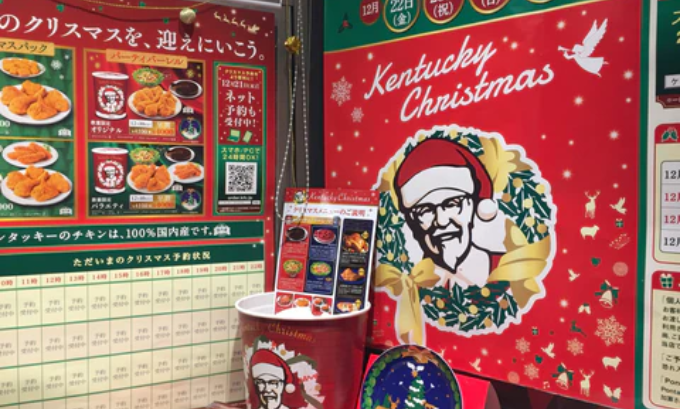
The KFC Christmas tradition demonstrates Japan’s unique approach to adopting and adapting foreign customs. Rather than simply copying Western traditions exactly, Japanese people created their own interpretation that fit local preferences and circumstances. Since whole turkeys were difficult to obtain and expensive in Japan, fried chicken provided an accessible way to incorporate Western-style protein into Christmas celebrations.
Today, the KFC Christmas tradition has become so established that the company creates special holiday packaging, premium menu items, and elaborate marketing campaigns specifically for the Japanese market. Some locations even accept reservations months in advance, and Christmas Eve is one of the busiest days of the year for KFC in Japan. This tradition showcases how marketing and cultural adaptation can create entirely new cultural practices that become deeply embedded in society.
Christmas Markets: German-Inspired Festive Gatherings
Christmas markets in Japan represent another fascinating example of how the country adapts international traditions to create unique local experiences. Inspired by traditional German Christmas markets, Japanese versions incorporate local elements, foods, and cultural preferences while maintaining the warm, community-focused atmosphere that makes these markets special.
The Yokohama Red Brick Warehouse Christmas Market is one of Japan’s most popular, featuring authentic German decorations, food, and entertainment alongside Japanese interpretations of holiday treats. Visitors can enjoy traditional glühwein alongside Japanese-style holiday beverages, creating a fusion experience that reflects Japan’s approach to cultural adaptation.
Tokyo Christmas Market locations throughout the city offer different themes and experiences, from traditional German-style markets to uniquely Japanese interpretations featuring local crafts and foods. These markets provide opportunities for community gathering and cultural exchange that align with Japanese values of seasonal celebration and social connection. The popularity of these markets demonstrates how international traditions can be successfully adapted when they resonate with local values and preferences.
Hokkaido: Japan’s Winter Wonderland Christmas Destination
Hokkaido, Japan’s northernmost island, offers visitors the chance to experience a true white Christmas in a uniquely Japanese setting. The region’s heavy snowfall, world-class ski resorts, and winter festivals create perfect conditions for holiday celebrations that combine outdoor winter activities with traditional Japanese hospitality and culture.
The island’s Christmas celebrations often center around winter sports, hot springs, and seasonal foods that showcase local ingredients and culinary traditions. Hokkaido’s approach to Christmas emphasizes the natural beauty of winter and the importance of finding warmth and comfort during the coldest months of the year. This creates a different type of Christmas experience that focuses on natural beauty, seasonal awareness, and the importance of community during challenging weather conditions.
Hokkaido’s Christmas offerings include everything from illuminated snow sculptures to Christmas markets featuring local seafood, agricultural products, and craft items. The region’s approach to Christmas demonstrates how geographical and climatic conditions can influence how cultural traditions are adapted and expressed. Visitors to Hokkaido during Christmas can experience both the international aspects of the holiday and distinctly Japanese interpretations that reflect local conditions and values.
Christmas Eve as a Romantic Holiday: Love and Couples’ Traditions
One of the most distinctive aspects of Japan Christmas traditions is the emphasis on Christmas Eve as a romantic holiday for couples. Unlike Western traditions that center around family gatherings, Japanese Christmas Eve is often celebrated as a date night, with couples exchanging gifts, sharing special meals, and creating romantic memories together.
This romantic interpretation of Christmas reflects broader Japanese cultural values around seasonal celebrations and the importance of creating special moments with loved ones. Fancy restaurants, hotels, and entertainment venues create special Christmas Eve packages designed specifically for couples, often featuring romantic settings, premium meals, and exclusive experiences that cannot be found at other times of the year.
The couples-focused approach to Christmas also demonstrates how cultural adaptation can create entirely new traditions that serve different social functions than the original. While Western Christmas emphasizes family togetherness, Japanese Christmas Eve serves as an opportunity for romantic connection and relationship celebration. This adaptation shows how the same holiday can serve different social and cultural purposes depending on local values and preferences.
New Year’s vs. Christmas: Understanding Japanese Holiday Priorities
To fully understand Japan Christmas traditions, it’s important to recognize that Christmas is not the most important winter holiday in Japanese culture. New Year’s (Oshogatsu) holds that distinction, serving as the primary time for family gatherings, traditional foods, and cultural observances that Christmas represents in many Western countries.
This hierarchy of holidays explains many of the distinctive characteristics of Japanese Christmas celebrations. Since New Year’s serves as the family-focused, tradition-heavy holiday, Christmas is free to serve other cultural functions—particularly romantic celebration and aesthetic enjoyment. This division allows both holidays to coexist without competing for the same cultural space or social functions.
Understanding this relationship between Christmas and New Year’s helps explain why Japanese Christmas traditions emphasize beauty, romance, and temporary experiences rather than deep family traditions and religious observance. The proximity of these two holidays creates a unique winter celebration season that offers different types of experiences and cultural meaning, allowing people to enjoy both international and traditional Japanese holiday customs.
Modern Christmas Shopping and Gift-Giving Culture
Christmas shopping in Japan has evolved into a sophisticated cultural phenomenon that combines international gift-giving traditions with distinctly Japanese approaches to retail, presentation, and seasonal offerings. Department stores and shopping centers throughout Japan transform during the Christmas season, creating elaborate displays and offering exclusive products that are available only during the holiday period.
Japanese gift-giving culture emphasizes presentation, thoughtfulness, and seasonal appropriateness, making Christmas shopping a more ritualized and aesthetic experience than in many other countries. The famous Japanese attention to packaging and presentation reaches its peak during Christmas, with stores offering elaborate wrapping services and seasonal packaging that makes the act of giving as important as the gift itself.
Limited-edition Christmas products, from cosmetics to food items, create urgency and exclusivity that drives Christmas shopping behavior in Japan. This approach reflects broader Japanese consumer culture preferences for seasonal specialties and limited-time offerings. The result is a Christmas shopping experience that emphasizes quality, aesthetics, and the creation of special moments rather than simply the exchange of gifts.
Food Traditions Beyond KFC: Christmas Dining in Japan
While KFC may be the most famous Christmas food tradition in Japan, the holiday season features a much broader range of culinary celebrations that reflect both international influences and local preferences. Christmas dining in Japan often emphasizes premium ingredients, elegant presentation, and the creation of special experiences that mark the holiday as distinct from everyday meals.
Many Japanese families and couples celebrate Christmas with foods that are considered special or luxurious, such as roast beef, premium seafood, or elaborate desserts. These choices reflect the Japanese approach to marking special occasions through elevated dining experiences rather than specific traditional dishes. The emphasis is on creating memorable meals that feel appropriate for celebration.
Restaurant culture during Christmas in Japan emphasizes exclusive experiences and seasonal menus that are available only during the holiday period. Many establishments create special Christmas courses that combine international holiday foods with Japanese culinary techniques and presentation styles. This approach demonstrates how food traditions can be adapted to reflect local preferences while maintaining the celebratory spirit of the holiday.
Christmas Decorations and Home Celebrations
Japanese Christmas decorations reflect the same attention to aesthetic detail and seasonal awareness that characterizes many aspects of Japanese culture. Rather than the bold, colorful displays common in some Western countries, Japanese Christmas decorations often emphasize elegance, subtlety, and harmony with existing home aesthetics.
Home Christmas celebrations in Japan typically focus on creating atmosphere and special experiences rather than elaborate decorations or extensive family gatherings. Small Christmas trees, carefully chosen ornaments, and strategic lighting create holiday ambiance without overwhelming living spaces or conflicting with Japanese interior design preferences.
The approach to Christmas decorations demonstrates how international traditions can be adapted to fit local living conditions and aesthetic preferences. Japanese homes, often smaller than Western counterparts, require decoration strategies that maximize impact while minimizing space usage. The result is often more refined and intentional than extensive holiday decorating, creating beauty through careful selection and placement rather than abundance.
Frequently Asked Questions About Japan Christmas Traditions
How do Japanese people typically celebrate Christmas?
Japanese Christmas celebrations focus primarily on Christmas Eve as a romantic holiday for couples, featuring special dinners, gift exchanges, and illumination viewing. Families may also celebrate with Christmas cake and KFC, but the emphasis differs significantly from Western family-centered traditions.
Why is KFC so popular for Christmas in Japan?
The KFC Christmas tradition began with a successful 1970s marketing campaign that convinced Japanese consumers that fried chicken was a traditional American Christmas food. Since whole turkeys were expensive and difficult to obtain in Japan, KFC provided an accessible alternative that became deeply embedded in Japanese Christmas culture.
What is Japanese Christmas cake?
Japanese Christmas cake is a light sponge cake covered with whipped cream and decorated with fresh strawberries. It symbolizes prosperity and modernity, and is typically ordered in advance from bakeries as the centerpiece of Christmas Eve celebrations.
Are Christmas illuminations popular throughout Japan?
Yes, winter illuminations are extremely popular throughout Japan, from major displays in Tokyo and Osaka to smaller community celebrations in towns across the country. These elaborate light displays are considered essential parts of the Christmas season and attract millions of visitors annually.
How does Christmas in Japan differ from Western celebrations?
Japanese Christmas emphasizes romance, aesthetics, and temporary experiences rather than family gatherings and religious observance. Christmas Eve is primarily for couples, while New Year’s serves as the main family-focused winter holiday.
Do Japanese people exchange Christmas gifts?
Yes, gift-giving is common during Christmas in Japan, particularly between romantic partners. The emphasis is on presentation, thoughtfulness, and creating special moments rather than extensive family gift exchanges.
What role do Christmas markets play in Japanese celebrations?
Christmas markets in Japan, often inspired by German traditions, provide community gathering spaces featuring seasonal foods, crafts, and entertainment. They demonstrate how international traditions can be successfully adapted to local preferences and cultural values.
Experience the Magic of Japanese Christmas Traditions
Japan Christmas traditions offer a unique perspective on how global celebrations can be adapted and transformed to reflect local values, aesthetics, and social preferences. From the romantic emphasis of Christmas Eve to the spectacular winter illuminations that transform cities into wonderlands, Japan has created a distinctive approach to the holiday that emphasizes beauty, experience, and cultural creativity.
Whether you’re planning to visit Japan during the Christmas season or simply interested in understanding how different cultures approach international holidays, Japanese Christmas traditions demonstrate the fascinating ways that global celebrations can be reimagined and made meaningful within local contexts. The combination of international influences and distinctly Japanese sensibilities creates holiday experiences that are both familiar and entirely unique.
The evolution of Christmas in Japan continues today, with new traditions emerging and existing ones being refined and expanded. This ongoing cultural creativity ensures that Japan Christmas traditions will continue to surprise and delight both visitors and locals, offering fresh perspectives on celebration, community, and the magic of the holiday season.
About the Author
Sarah Tanaka is a cultural anthropologist and Japan travel specialist with over 12 years of experience studying Japanese holiday traditions and seasonal celebrations. Having lived in Japan for eight years, she has witnessed firsthand how Christmas traditions have evolved and adapted to Japanese culture. Sarah holds a Ph.D. in East Asian Studies from Tokyo University and has published extensively on cultural adaptation and holiday traditions in modern Japan. Her work focuses on how international celebrations are transformed when they encounter different cultural contexts and values.
