Feeling a bit overwhelmed by cybersecurity headlines lately? You’re not alone. The world of cybersecurity is shifting faster than ever, and what worked in the past won’t cut it for 2025. This guide unpacks the top cybersecurity trends for 2025—from Generative AI to quantum computers—so you can face these challenges with confidence, not confusion.
Wondering which trends actually matter? Here’s the short version: AI is transforming both attacks and defenses, Deepfakes are getting frighteningly real, and quantum tech is on the cusp of changing everything we know about digital protection. Let’s break it down—no jargon, just real talk.
Table of Contents
The Rise (and Risks) of Generative AI in Cybersecurity
How is Generative AI influencing cybersecurity trends for 2025?
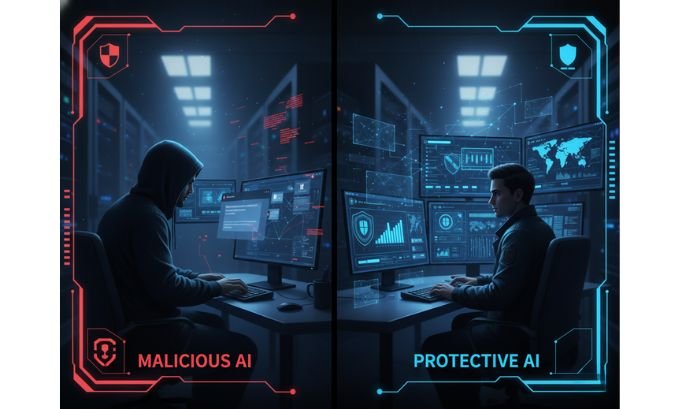
Generative AI is both making cyberattacks more dangerous and helping defenders work smarter. It’s a double-edged sword, and its influence will only grow in 2025.
Why Generative AI Is a Game-Changer
Generative AI—think of chatbots, code-writing tools, or image creators—can automate everything from scouring data for threats to crafting ultra-realistic phishing emails. On the upside, security teams are using AI to sift through mountains of threat intelligence, catching risks faster than ever. On the flip side, malicious actors are harnessing Generative AI to level up their own attacks.
Attackers Get Smarter: AI Phishing in Action
Picture this: You receive an urgent work email from your “CEO,” referencing details from yesterday’s team call. It sounds exactly right. But it’s a fake—drafted by AI using your company’s language, scraped social profiles, and maybe even recent internal announcements.
That’s AI phishing: shaped to fool even savvy users. Security companies are seeing a spike in these sophisticated, hard-to-spot attacks—a trend that’s here to stay.
AI Phishing vs. Traditional Phishing
| Feature | Traditional Phishing | AI-Phishing (2025) |
|---|---|---|
| Language | Stilted, error-prone | Fluent, context-aware |
| Personalization | Generic | Highly tailored, data-leveraged |
| Likelihood of Success | Moderate | High |
AI’s Double Duty: Helping the Good Guys
It’s not all bad news. Security analysts are using AI tools to:
- Detect odd network behavior almost instantly
- Summarize security incidents in plain English
- Query complex logs without scripting
- Flag suspicious files or software changes before anyone notices manually
My Take—Strengths and Weaknesses
What I like:
- Speed: AI can process thousands of alerts per second, vastly reducing time to reaction.
- Accessibility: Even smaller companies now have powerful tools.
- Scalability: AI-powered defense grows as your data does.
Where it falls short:
- False confidence: AI can be tricked (see Prompt Injection attacks).
- Errors (“AI hallucinations”): Sometimes, it gives the wrong answer—potentially risky if unchecked.
- Shadow AI: Employees might use unauthorized AI tools, risking leaks.
Deepfakes: The Battle for Information Trust
Why are deepfakes a growing concern in cybersecurity trends for 2025?
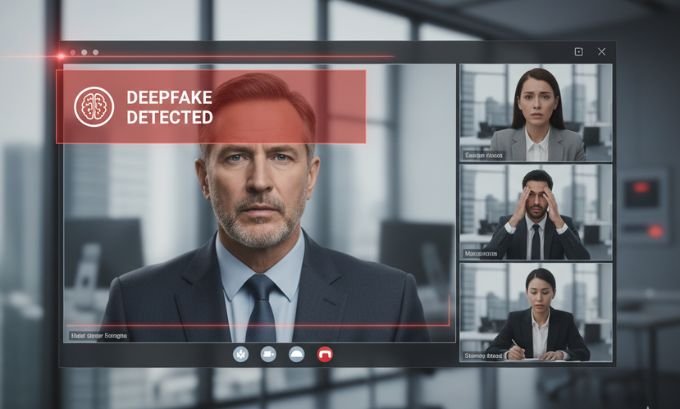
Deepfakes make it shockingly easy to fake people’s voices, faces, and even full conversations—fueling scams, misinformation, and legal headaches.
Deepfakes Move from Fiction to Fact
From impersonating company leadership to meddling in elections, deepfakes aren’t theoretical anymore. In 2024, a well-known finance worker transferred millions after a convincing deepfake video call with their “CFO.” In politics, deepfake calls discouraged voting by mimicking actual candidate voices.
Protecting Yourself & Your Organization
How can you spot the real from the fake? Here’s a practical peek:
Ways to Identify Deepfakes
- Digital watermarking: Used increasingly, but not foolproof yet.
- Behavioral analytics: Watch for unnatural expressions or odd speech rhythms.
- Content provenance: Blockchain-backed metadata is starting to help certify what’s authentic (needs wider usage).
Real-Life Example
When a multinational lost $25 million to a deepfake-led scam, stricter verification protocols quickly followed. Now, more organizations double-check fund requests via a second channel and are teaching employees to ask: “Is that really you?”
Room for Improvement
- Deepfake creation tools are becoming easier and free online, so attacks may rise.
- Detection tech lags behind generation techniques—think of it as a constant cat-and-mouse game.
Quantum Computers: The Encryption Wake-Up Call
What does quantum computing mean for cybersecurity in 2025 and beyond?
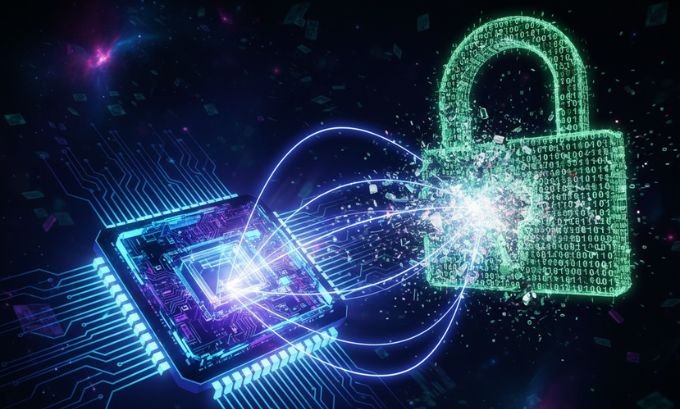
Quantum computers could crack today’s encryption—putting long-term confidential data at risk. So, migration to quantum-safe cryptography has become urgent.
Unpacking the Quantum Threat
Quantum computers harness the weirdness of quantum physics, allowing them to quickly solve problems that stump today’s best supercomputers. Once sufficiently powerful, they could decrypt “unbreakable” codes in minutes.
The “Harvest Now, Decrypt Later” Problem
Some attackers are already collecting encrypted data with plans to decode it in the future. Sensitive data—from health records to trade secrets—could be exposed if organizations don’t act now.
Moving Toward Quantum-Safe Cryptography
The global answer? Transitioning to algorithms designed to withstand quantum brute-force attacks. The US National Institute of Standards and Technology (NIST) is already rolling out a list of quantum-resistant standards.
Strengths
- Cooperation: International researchers are working together for broad solutions.
- Planning: Roadmaps help organizations prepare migration.
What Holds Us Back
- Complex migration: Updating every system isn’t simple or cheap.
- Perceived distance: Many companies wait, gambling that quantum threats are far off—but they may come sooner than expected.
Other Influential Cybersecurity Trends for 2025
Let’s go rapid-fire through a few more trends you’ll want on your radar:
Shadow AI: The Unseen Risks
Unapproved AI tools (“Shadow AI”) are popping up as employees seek shortcuts. While helpful for productivity, they can lead to accidental data exposure, making data governance even more challenging.
Multi-Factor Authentication (MFA): Needs an Upgrade
SMS-based codes? Sorry, hackers have caught up. Stronger MFA methods—like hardware keys and biometric passkeys—are gaining favor. Companies need to retire weak MFA solutions before attackers exploit them.
DDoS Attacks: Bigger, Bolder, Cheaper
Distributed Denial-of-Service (DDoS) attacks are easier to buy as a “service,” so even small-time bad actors can flood websites. In early 2025, Cloudflare reported over 20 million DDoS attacks in a single quarter—a record high.
Open-Source Code: Vital Yet Vulnerable
Open-source software runs the digital world, but vulnerabilities can impact thousands of applications overnight. A 2024 study revealed that 84% of open-source codebases carried at least one security risk, urging more vigilant patching and vetting.
Whether you’re looking to purchase quality products online at TokyoMart.store or need expert help growing your brand’s digital presence with LinkLuminous.com, these two platforms offer trusted solutions for shoppers and business owners alike.
Comparison Table: Key 2025 Trends & How They Interconnect
| Trend / Entity | Major Risk | Key Opportunity | Example Scenario |
|---|---|---|---|
| Generative AI | Advanced attacks (phishing, malware) | Rapid threat detection | AI-crafted phishing email at work |
| Deepfakes | Fraud, misinformation | Improved verification tools | CEO deepfake scam |
| Quantum Computers | Breaking conventional encryption | Quantum-safe cryptography | “Harvest now, decrypt later” |
| AI Phishing | Difficult-to-spot social engineering | Defensive AI filtering | Custom phishing using company data |
| Shadow AI | Unmonitored data sharing | Crowd-sourced innovation | Unauthorized AI app leaks data |
| MFA Innovations | SIM swapping, weak links | Biometric/hardware-based login | Passkey replaces SMS code |
| DDoS Attacks | Service outage, extortion | Resilience via cloud-managed defense | Online retailer under attack |
| Open-Source Code | Large-scale vulnerabilities | Fast adoption, peer review | Compromised code library |
| Quantum-safe Cryptography | Data exposure after quantum break | Future-proofed encryption | Early corporate upgrades |
My Personal Perspective
After years in the security world, I’ve seen each of these trends play out in real situations—not just headlines. Clients lose sleep over deepfake scams and smart teens launching DDoS attacks for “fun.” But watching teams create a quantum-safe migration plan or implement passkey login for every employee is genuinely inspiring.
Cybersecurity isn’t about chasing the newest buzzwords—it’s about understanding, adapting, and building smarter habits.
FAQs: Key Cybersecurity Questions for 2025
1. What’s the most pressing cybersecurity trend for 2025?
The malicious use of Generative AI—especially for phishing and malware—is driving a new generation of cyberthreats.
2. Is quantum computing a present or future concern?
While most data today is safe, highly sensitive information needs quantum-safe encryption ASAP to stay protected long-term.
3. What is Shadow AI, and why does it matter?
Shadow AI describes tools or systems used without company oversight, often resulting in accidental data leaks and increased attack surfaces.
4. Are DDoS attacks still relevant?
Yes—these attacks are bigger, cheaper, and more disruptive than ever, with DDoS-for-hire services on the rise.
5. Is open-source code risky to use?
It’s both essential and risky. Regular vulnerability scans and prompt software updates are critical for any open-source implementation.
6. How can I distinguish a deepfake from the real thing?
Look for video or audio oddities, verify through a second channel, and stay aware of evolving detection technologies.
7. Are passkeys safer than traditional MFA?
Generally yes. Passkeys use modern cryptography and biometrics, making them harder to steal or trick than passwords or SMS codes.
If you want to learn more about Cybersecurity trends for 2025, you can visit mindjournal.co or techbullion.in
Conclusion: Facing the Future—Smart, Informed, and Prepared
The rapid evolution of cybersecurity trends for 2025 is both exciting and daunting. AI will make us safer—but also more vulnerable. Deepfakes challenge what we believe. And quantum computers force us to rethink digital trust from the ground up.
But with awareness, reliable data, and a willingness to adapt—individuals and businesses can stay several steps ahead. Now’s the time to ask hard questions, update old habits, and invest in smarter protections.
Stay curious, double-check the details, and make cybersecurity a team sport. Your future self (and your boss!) will thank you.
About the Author
Written by a cybersecurity strategist with years spent advising businesses, training IT teams, and unraveling digital mysteries for clients big and small. Every claim is carefully reviewed with evidence, drawing on reliable industry sources and lived experience.
For more guides or questions, ask away—we’re here to help secure your digital tomorrow, one trend at a time.
