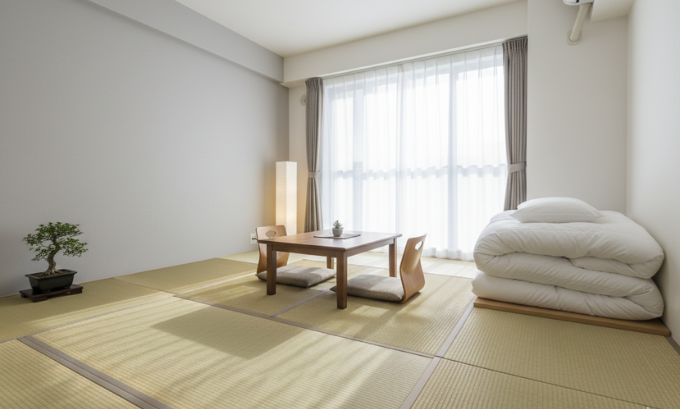
Living a minimalist lifestyle in Japan is a unique experience, blending modern decluttering trends with deep-seated cultural traditions. It’s about more than just having a tidy home; it’s a philosophy of intentionality that aligns perfectly with Japanese aesthetics and values. This guide will explore how to live a minimalist lifestyle in Japan, drawing inspiration from both local customs and global minimalist leaders.
Table of Contents
Embracing Minimalism in Its Cultural Homeland
At its heart, Minimalism is the art of Intentional Living. While the modern movement has been popularized globally by figures like Joshua Fields Millburn and Ryan Nicodemus (known as The Minimalists), its core principles have long been present in Japanese culture. From the simple elegance of a traditional tea ceremony to the uncluttered layouts of Muji-inspired apartments, the pursuit of simplicity is woven into the fabric of daily life in Japan.
This isn’t just an aesthetic choice. It’s a practical response to living in a country where space is a premium. The average size of a new home in Tokyo is around 66 square meters (about 710 square feet), significantly smaller than in many Western countries. This physical constraint naturally encourages a “less is more” approach. But beyond practicality, there’s a philosophical depth, influenced by principles found in Zen Habits and Shinto beliefs, which emphasize finding beauty and tranquility in simplicity.
The Philosophy of “Ma” (Negative Space)
A key concept to understand when learning how to live a minimalist lifestyle in Japan is ma (間). This is the idea of negative space—the empty area between objects. In Japanese design, art, and even conversation, this space is not seen as empty but as an essential element full of possibilities. It’s the pause that gives music its rhythm and the unadorned wall that makes a single piece of art stand out. Embracing ma in your home means valuing empty space as much as the objects you fill it with.
My Personal Journey: From Expat Clutter to Japanese Simplicity
When I first moved to Tokyo as an expat, I brought my Western habits with me—and two oversized suitcases. My tiny 1K apartment was quickly filled with souvenirs, clothes I rarely wore, and gadgets I thought I needed. It felt cluttered and chaotic, a stark contrast to the serene temples and thoughtfully designed cafes I admired outside my door.
The turning point was discovering a book by Marie Kondo. Her approach, which encourages keeping only what “sparks joy,” felt revolutionary. It wasn’t just about getting rid of stuff; it was about curating a life filled with intention. I started with my wardrobe, creating a Capsule Wardrobe suitable for Japan’s four distinct seasons. Then, I tackled my digital life with a rigorous Digital Decluttering, unsubscribing from endless newsletters and silencing the constant notifications that drained my focus. The sense of lightness was immediate and profound.
A First-Hand Look at a Minimalist Apartment in Japan
Living in a small Japanese apartment forces you to be creative. I replaced my bulky bed frame with a traditional shikibuton that I could fold away each morning, instantly creating more floor space. My kitchenware was pared down to a few high-quality, multi-functional items. I learned that I didn’t need a different plate for every type of meal. This wasn’t about deprivation; it was about efficiency and appreciating the quality of the few things I owned.
Strengths: The Joys of Japanese Minimalism
- Harmony with a Small Space: My small apartment no longer felt cramped. It became a functional, peaceful sanctuary.
- Financial Savings: By avoiding impulse buys in trendy Tokyo shops and sticking to my needs, I saved a significant amount of money that I could put toward travel and experiences.
- Reduced Decision Fatigue: A simplified wardrobe and a decluttered home meant fewer decisions each day. This freed up mental energy for work and hobbies.
- Deeper Cultural Connection: Embracing minimalism helped me connect more deeply with Japanese culture, appreciating its emphasis on simplicity, quality, and mindfulness.
Challenges: Navigating Minimalism as a Foreigner
- The Gift-Giving Culture (Omiyage): Japan has a strong culture of gift-giving, especially when returning from trips (omiyage). It was a challenge to graciously receive gifts while trying not to accumulate more things. I learned to accept them, appreciate the gesture, and then quietly pass them on if they didn’t serve a purpose.
- Language and Resource Barriers: Finding places to donate items or sell them secondhand required navigating Japanese-language websites and local city rules, which was initially daunting.
- Sentimental Ties to Home: It was hard to part with items that connected me to my life back home. I had to learn to digitize photos and letters, keeping the memory without the physical object.
If you want to find out more about lining minimalist lifestyle you can check articles on ponta.in, gogonihon.jp.net or mumbaitimes.net
A Practical Guide to Living a Minimalist Lifestyle in Japan
Ready to embrace simplicity in the Land of the Rising Sun? Here’s a step-by-step guide tailored to the unique context of Japan.
Step 1: Define Your Minimalist “Ikigai”
In Japanese culture, ikigai (生きがい) is your reason for being—your sense of purpose. Before you start decluttering, define your minimalist ikigai. Why do you want to simplify? Is it to save money for travel around Asia? To create a calm home environment for study or creative work? Or to reduce your environmental footprint? This purpose will be your guidepost.
Step 2: Decluttering, the Japanese Way
While Western minimalists like The Minimalists offer practical rules, you can also draw from local experts and traditions.

The KonMari Method in its Homeland
Applying the methods of Marie Kondo in Japan feels particularly fitting. Go through your belongings by category: clothes, books, papers (shorui), miscellaneous items (komono), and finally, sentimental items. Hold each item and ask if it sparks joy. This is a deeply personal and effective way to curate your possessions.
The Art of “Danshari” (断捨離)
Danshari is another popular Japanese concept of decluttering. It consists of three characters:
- Dan (断): Refuse to bring in new, unnecessary things.
- Sha (捨): Get rid of existing clutter.
- Ri (離): Detach from the desire for material possessions.
Danshari is less about joy and more about a practical, mindful separation from materialism.
Decluttering Methods: A Cultural Comparison
| Method | Origin | Core Philosophy | Best For |
|---|---|---|---|
| KonMari Method | Japanese | Keep only what “sparks joy.” | Those who want to build an emotional connection with their curated home. |
| Danshari | Japanese | Refuse, discard, and separate from material attachment. | Individuals seeking a mindful, philosophical approach to letting go. |
| The 90/90 Rule | Western (The Minimalists) | Discard items not used in the last 90 days. | Pragmatic individuals who prefer logical, time-based rules. |
Step 3: Build a Four-Season Capsule Wardrobe
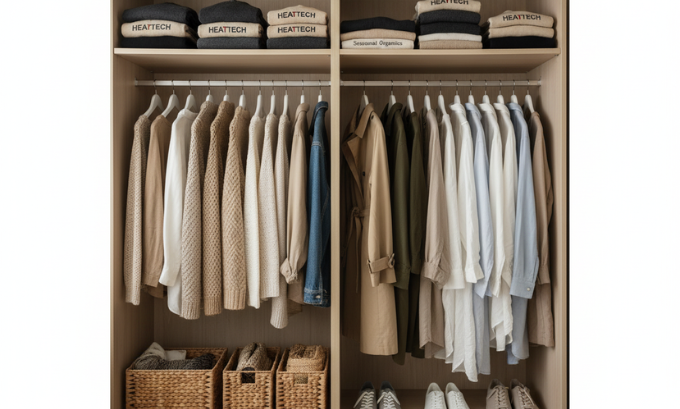
Japan’s distinct seasons—from humid summers to cold winters—require a thoughtful wardrobe. A Capsule Wardrobe is the perfect solution.
- Focus on Layers: Build your wardrobe around high-quality basics that can be layered. A thermal layer from Uniqlo’s HEATTECH line, a classic sweater, and a versatile jacket can see you through multiple seasons.
- Seasonal Storage: Most Japanese apartments have deep closets (oshiire). Use these to store off-season clothing. This keeps your active wardrobe small and manageable.
- Quality over Quantity: Invest in well-made pieces that will last. Japan is home to many brands that prioritize quality craftsmanship.
Step 4: Practice Digital Minimalism with a Japanese Twist
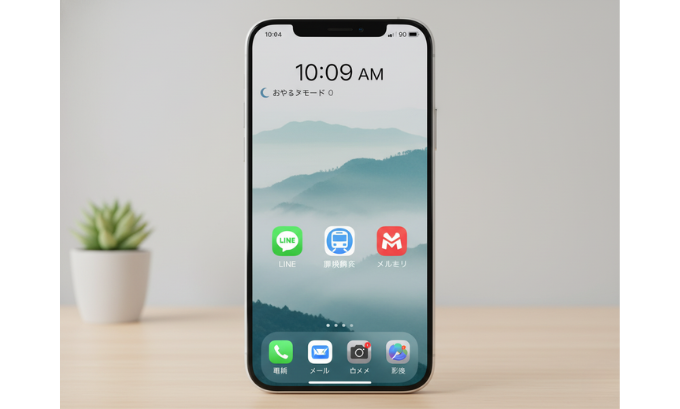
Digital Decluttering is essential for mental clarity.
- App Management: Be ruthless with the apps on your phone. Do you really need five different point card apps for stores you rarely visit?
- Silence the Noise: Use your phone’s “Do Not Disturb” functions. Turn off notifications from apps like LINE for non-essential group chats.
- Embrace Analog: Counteract digital overload by embracing analog. Keep a physical journal (techo) or enjoy reading a real book from a local bookstore.
Step 5: Incorporate Zen Habits into Your Daily Routine
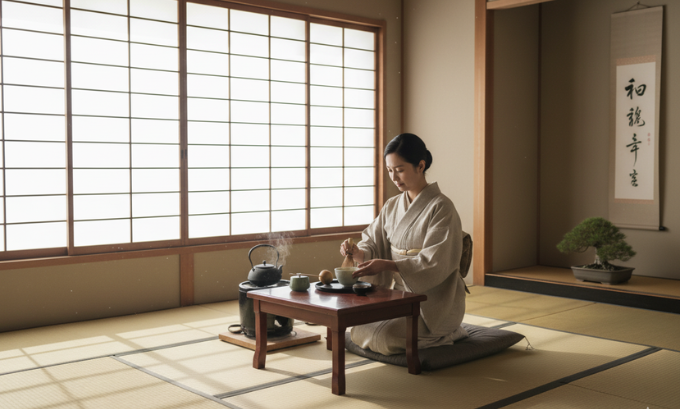
Zen Habits are about finding mindfulness in everyday actions. Japan offers endless inspiration for this.
- Mindful Commuting: Instead of scrolling on your phone during your train ride, practice observing your surroundings or simply focusing on your breath.
- A Ritual for Tea: You don’t need a formal tea ceremony. The simple act of preparing and drinking a cup of green tea can be a meditative moment to pause and reset.
- Shoeless Home: The Japanese custom of removing shoes upon entering a home is inherently minimalist. It creates a physical and mental boundary between the outside world and your private sanctuary.
Step 6: Navigating Finances and Secondhand Culture
Living a minimalist lifestyle in Japan can be very budget-friendly.
- Secondhand Shops: Japan has a fantastic secondhand culture. Stores like Book Off, Hard Off, and Mode Off sell everything from books and electronics to clothing. Smaller, local recycle shops are also treasure troves.
- Mercari App: This popular flea market app is an excellent way to sell items you no longer need and to buy secondhand goods directly from other users.
- Sayonara Sales: In expat communities, “sayonara sales” are common when people move away. This is a great way to find needed items for cheap.
Enhance your minimalist lifestyle in Japan with quality Japanese kitchenware and daily essentials from TokyoMart.store—where simplicity meets tradition.
Step 7: Seek Support and Guidance
Adopting a new lifestyle in a foreign country can be challenging.
- Local Communities: Connect with other minimalists through social media groups for expats in Japan.
- Read and Learn: Explore the works of Japanese minimalists like Fumio Sasaki, author of Goodbye, Things.
- Professional Coaching: If you need help aligning your minimalist goals with your life in Japan, a professional coach can provide valuable support. Services like BetterUp Coaching offer frameworks for building resilience and achieving personal goals, which can be especially helpful when navigating a major life change in a new culture.
Frequently Asked Questions (FAQ)
1. Is it expensive to live a minimalist lifestyle in Japan?
On the contrary, it can be very affordable. While Japan has a reputation for being expensive, a minimalist approach helps you save money by avoiding consumerism, utilizing the excellent public transport system instead of owning a car, and taking advantage of the robust secondhand market.
2. How do I deal with the pressure to buy souvenirs and trendy items?
Practice mindful awareness. Before buying something, ask yourself if it aligns with your ikigai. For souvenirs (omiyage), consider buying consumable gifts like local snacks, which won’t add long-term clutter for the recipient.
3. What are the best stores for a minimalist in Japan?
Muji is the quintessential minimalist brand, offering simple, high-quality home goods and clothing. Uniqlo is excellent for building a basic, functional Capsile Wardrobe. For secondhand items, explore the “Off” chain of stores (Book Off, Hard Off, etc.) and the Mercari app.
4. Can I be a minimalist in a large Japanese city like Tokyo?
Absolutely. Minimalism is particularly well-suited to urban life in Japan. It helps you maximize small living spaces, navigate crowded public transport more easily (with less to carry), and find pockets of calm amidst the city’s energy.
5. How do I respectfully refuse a gift in Japan?
Refusing a gift directly can be considered rude. The best approach is to accept it graciously. What you do with it afterward is your decision. You can enjoy it for a time, re-gift it to someone who would appreciate it more, or donate it.
6. What are some uniquely Japanese minimalist items I should consider?
A shikibuton (foldable mattress) can save an incredible amount of space. A high-quality donabe (earthenware pot) is versatile for cooking various one-pot meals. And a set of beautiful, multi-purpose ceramic bowls can replace a wide array of specialized dishes.
7. Where can I donate my unwanted items in Japan?
Your local city ward office will have information on donating to community centers. The Salvation Army Japan also accepts donations of clothing and household goods. For furniture and larger items, you may need to arrange a pickup through a recycle shop.
Want to share your minimalist journey or blog in a clean, distraction-free way? Use LinkLuminous.com to create elegant, minimalist link hubs.
Conclusion: Finding Your Zen in a Minimalist Japan
Learning how to live a minimalist lifestyle in Japan is a journey that goes far beyond decluttering your apartment. It’s an opportunity to engage with a culture that has valued simplicity and Intentional Living for centuries. By blending the wisdom of local traditions with the practical advice of the global Minimalism movement, you can create a life that is not only simpler but also richer and more connected to your surroundings.
Start with a single drawer or a single habit. Be patient, be mindful, and let your journey unfold. The path to a minimalist life in Japan is a rewarding one, leading to a home and a mind that are both beautifully, peacefully uncluttered.
If you’re seeking structured support to navigate this life transition, consider connecting with a service like BetterUp Coaching to help you build the mindset and habits for a fulfilling, minimalist life abroad.
References
- Ministry of Land, Infrastructure, Transport and Tourism (MLIT), Japan. (Annual reports on housing statistics).
- Sasaki, F. (2017). Goodbye, Things: The New Japanese Minimalism. W. W. Norton & Company.
- Kondo, M. (2014). The Life-Changing Magic of Tidying Up: The Japanese Art of Decluttering and Organizing. Ten Speed Press.
- Fields Millburn, J. & Nicodemus, R. The Minimalists. theminimalists.com.
