

Wondering how a facebook subscription is reshaping your social media experience? This guide explains what’s new, why it was launched, and what it means for everyone from casual users to digital creators.
A facebook subscription is a paid monthly opt-in by Meta allowing users to remove all ads from Facebook and Instagram. Instead of viewing personalized advertising, subscribers enjoy uninterrupted content. Those who choose not to subscribe continue to use the platforms free—with the tradeoff being targeted ads driven by user data. This approach arose in response to stricter regulations demanding real user choice.
Table of Contents
Why Meta Shifted Its Model: Pressure, Privacy, and Payment
Regulatory bodies and privacy advocates in the UK and Europe have questioned social media data practices for years. Responding to investigations by the Information Commissioner’s Office (ICO), court action by activists like Tanya O’Carroll, and ongoing scrutiny by EU regulators, Meta rolled out facebook subscription. The model reduces reliance on personalized advertising and offers compliance with new legal standards—all while establishing an alternate source of revenue through ad-free subscriptions.
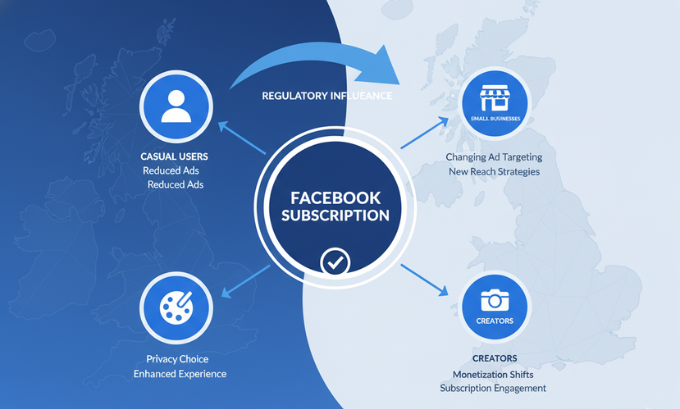
Everyday Impacts: Who Gains, Who Waits?
Consider a few perspectives. Emma, a marketing consultant, depends on personalized Facebook ads for targeted outreach. The new subscription model challenges her to pivot, as she wonders how many of her potential clients have opted out of ad tracking. Meanwhile, Daniel, a university student, tries facebook subscription during exam week. The calm, distraction-free scroll lets him stay in the loop without ad noise.
For creators, there’s another layer: Meta’s Content Moderation Tool and earning potential often hinge on platform activity and algorithmic performance. Some creators report that facebook subscription indirectly influences their reach and revenue, especially as their reliance on ad-engaged audiences becomes less predictable. Performance bonuses help, but the rules keep changing.
Standout Advantages of Facebook Subscription
- Clear-Cut Privacy Choice: Users finally have a frictionless way to avoid being tracked for advertisements.
- Streamlined Browsing: Facebook and Instagram become more about genuine interactions and interests.
- Compliant with Regulation: Aligns Meta with ICO advice and EU regulators’ expectations.
- Simple Options: Upfront decision—see ads for free or subscribe for ad-free use.
Gaps and Growing Pains: Where the Model Stumbles
- Equitable Access Issues: Only paying users benefit, raising the question: is privacy only for those who can afford it?
- Regional Inconsistencies: The UK permits only a binary choice (ads or no ads), while the EU offers extra flexibility—like reduced personalization for free.
- Tougher Times for Creators and SMBs: With a possible dip in ad revenue, creators and small businesses must reconsider how to reach fans and customers.
- Ambiguous Monetization Pathways: Getting access to vital tools like the Content Moderation Tool remains unpredictable, affecting creators’ earnings and growth.
Regulation in Focus: How the ICO, EU, and Legal Action Shaped Change
Regulators insist users deserve a transparent, real alternative to forced personalized advertising. Tanya O’Carroll’s UK lawsuit against Meta, centering on protections under direct marketing law, drew the ICO into action. Their directives pressured Meta to introduce the facebook subscription and to bring down the UK price point to increase affordability and legal compliance.
EU regulators chimed in, persuading Meta to not only soften prices but also let users in their regions choose a level of ad personalization, not just a pay-or-see-ads mandate. These collaborative pushes reflect a growing consensus: major tech platforms must put privacy back in users’ hands.
Creators and the New Monetization Game
The facebook subscription movement doesn’t only shift the user-ad dynamic—it reshapes how creators make a living. Tools to boost income, such as performance bonuses or access to the invite-only Content Moderation Tool, have become more selective and typically demand sustained, high-quality engagement across posts, videos, and live streams.
In 2023–2024, creator earnings have fluctuated noticeably. Average monthly payouts hover around £350, down from past highs, as monetization programs adapt to both subscription uptake and stricter performance metrics. Meta’s evolving strategy means some creators thrive, while others struggle to keep pace.
Facebook Subscription Snapshot: UK and EU Plans Compared
| Feature | UK (Web) | UK (iOS/Android) | EU (Base Offering) |
|---|---|---|---|
| Monthly Price | £2.99 | £3.99 | €5.99 |
| Included Platforms | Facebook, Instagram | Facebook, Instagram | Facebook, Instagram |
| Regional Specialties | Lowest price, ICO-guided | App store surcharge | Option for limited-personalization ads (no UK) |
Fast-Answer FAQ: Everything You Need to Know
1. What’s included in a facebook subscription?
Ad-free scrolling on Facebook and Instagram; no personalized advertising.
2. Is facebook subscription available worldwide?
Not yet. It’s expanding across the UK and EU first; coverage and ad options may differ by location.
3. Is the free version still available?
Yes, but you’ll continue to see targeted ads—unless you subscribe.
4. Will this model affect how much creators and small businesses can earn?
Likely. Reduced ad audiences can mean lower revenue for creators and challenges for businesses targeting new customers.
5. Why do prices and choices differ between the UK and EU?
Mainly regulatory influence. The ICO guided UK pricing and structure, while EU users have additional ad personalization settings.
6. Who is Tanya O’Carroll and why is she important?
Her legal challenge set a precedent for giving users meaningful power over how their data is used for advertising.
7. Does subscribing give me creator perks or just remove ads?
Just ad removal. Access to creator tools such as Content Moderation Tool depends on separate performance requirements.
Reflecting on Facebook Subscription: Opportunity and Ongoing Debate
The facebook subscription option is a fork in the road for both Meta and its community. It delivers long-demanded transparency and control but at the cost of heightened division between paid and free access. As an analyst who has guided clients and creators through nearly every seismic change in social media, I see this development as both rational and imperfect.
For those who value privacy above all, the choice is simple. For creators and small businesses, it’s time to rethink engagement, test new strategies, and stay agile. As regulatory expectations shift, so too will platform policies. The best approach? Stay informed, experiment thoughtfully, and advocate for options that serve the broadest community.
About the Author
This article is crafted by a digital policy expert and technology writer, drawing on extensive hands-on work with Meta’s platform updates, user feedback, business adaptation strategies, and contemporary data privacy trends.
References
- Information Commissioner’s Office (ICO): Official guidance on platform privacy and subscriptions.
- Meta policy documentation and 2024 press bulletins.
- Legal proceedings and public commentary involving Tanya O’Carroll.
- EU regulatory communications regarding data rights and ad frameworks.
- Annual reports and survey results from creators and small businesses (2023–2024).
