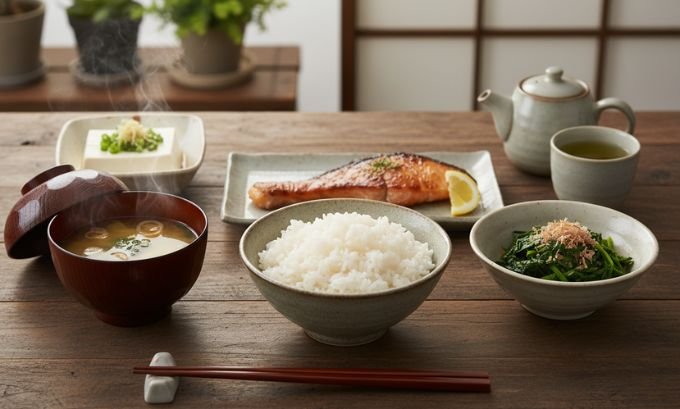
Facing chemotherapy can be overwhelming, especially when trying to choose the best foods to boost your immune system during chemo in Japan. If you’re looking for practical, evidence-based guidance that also embraces familiar Japanese tastes and ingredients, you’re in the right place. This guide will answer your questions and offer real strategies for using local foods to support your white blood cells (WBCs) and protect your health.
Table of Contents
Chemotherapy and Immune Health: Why Diet Is Key in Japan
Chemotherapy, while essential for treating cancer, often lowers your White Blood Cells (WBCs), weakening your immune defenses. In Japan, where communal meals and seasonal ingredients are central to daily life, adapting your diet with immune-supportive foods can make a meaningful difference during treatment.
Chemotherapy doesn’t only target cancer—it can also harm healthy cells in the Bone Marrow, especially those responsible for producing WBCs. During the nadir (about 7–10 days after your chemo infusion), your risk for infection rises. This is a key moment to prioritize foods that help you recover quickly.
While doctors in Japan might prescribe Colony Stimulating Factor (Filgrastim) to support WBC recovery, everyday meals can do their part too. Your meals become your body’s tool kit—providing protein, vitamins, and vital building blocks to maintain resilience, energy, and hope.
Adapting Japanese Cuisine: Local Foods to Boost Immune System During Chemo
Quick Answer: Japanese staples such as tofu, natto, miso soup, fish, eggs, dark leafy vegetables, and nutrient-rich rice provide the protein, vitamin B12, and folate needed for your immune health during chemotherapy.
How it Works: Imagine your body as a garden recovering after a storm—the right nutrients are fertilizer for healthy regrowth. Below, see how to incorporate key nutrients into classic Japanese meals:
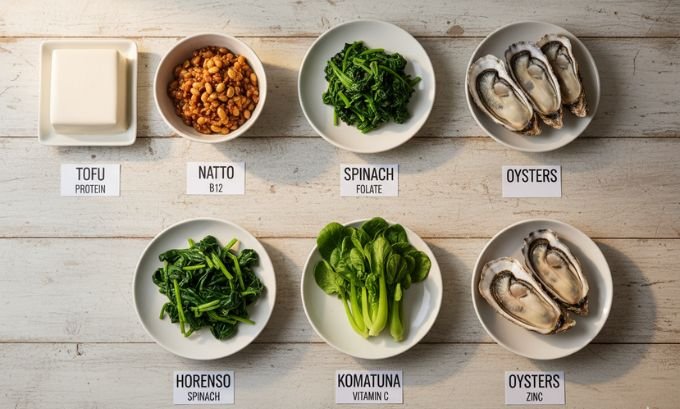
- High-quality Protein: Tofu, fish (like salmon or saba), lean chicken, natto, and eggs.
- Vitamin B12: Eggs, seafood (saba, sanma, aji, maguro), dairy, and natto.
- Folate: Spinach (horenso), komatsuna, shungiku, edamame, and hijiki seaweed.
- Supports: Miso (provides protein, minerals, and gut health benefits), yudofu (hot tofu), tamago-dofu (egg tofu), onigiri with salmon, nimono with chicken, and steamed greens.
Remember: Appetite can be unpredictable during chemo, so flexibility and variety are your friends.
Real Experience: Emiko’s Recovery With a Japanese Diet
Emiko, a Tokyo office worker, faced repeated treatment delays due to low White Blood Cells while undergoing chemotherapy for breast cancer. Her oncologist recommended consulting a registered dietitian familiar with both cancer nutrition and Japanese foods. Emiko learned to lean on comforting, easy-to-prepare dishes: ochazuke (rice with green tea and flaked salmon), tamago (Japanese omelet) with chopped spinach, and miso soup full of tofu and shungiku.
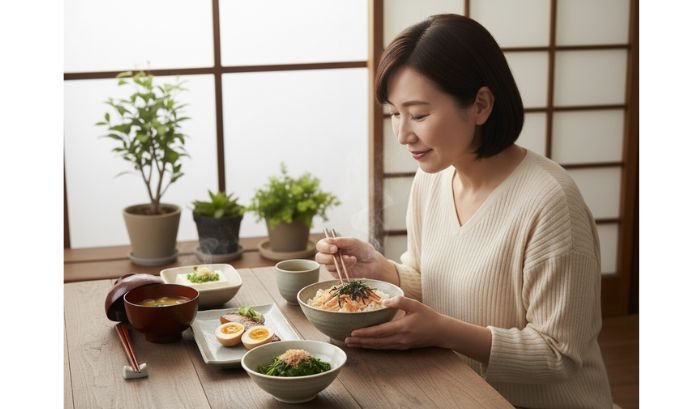
She incorporated nori and hijiki for extra minerals and often started the day with a soft-boiled egg atop a steaming bowl of rice. By focusing on protein and folate-rich foods familiar from her childhood, she saw gradual improvements in her WBC count. Emiko didn’t feel deprived—in fact, she found new joy in mealtime rituals, even during a tough chapter of life.
Essential Nutrients in Japanese Foods for Immune Support
The following nutrients and foods are especially effective for supporting your immune system during chemo in Japan:
Protein: The Cornerstone of Recovery
- Importance: Needed for new cell growth and repairing tissues after chemo.
- Japanese Sources: Tofu, yudofu, grilled fish (saba, sanma, maguro), natto, eggs, chicken (toriniku), katsuobushi (bonito flakes).
- Tips: For gentle digestion, try chawanmushi (savory egg custard), okayu (Japanese rice porridge) with egg or fish, or add tofu to miso soup.
Vitamin B12: Energizing Blood and Nerves
- Why It Counts: Supports the production of WBCs in the Bone Marrow and prevents fatigue.
- Local Picks: Fish (especially blue-backed like saba/sanma), shellfish, tamago, fermented soy products (natto).
- Advice for Vegetarians: Consider fortified soy milk or B12 supplements with your oncologist’s guidance, as plant foods rarely supply B12 naturally.
Folate: Fueling Blood Cell Production
- Role: Essential for producing healthy white and red blood cells.
- Japanese Favorites: Horenso (spinach), komatsuna, shungiku, edamame, broccoli, nori, and hijiki.
- Preparation Suggestions: Steam veggies and add to salads, blend leafy greens into okayu, or mix into tamago dishes.
Other Key Immune Boosters: Vitamin C and Zinc
- Vitamin C: Necessary for immune reaction and cell repair. Find it in local citrus (yuzu, mikan), strawberries, kiwifruit, bell peppers, daikon, and komatsuna.
- Zinc: Helps immune cell growth. Best sources: oysters, pumpkin seeds, sesame seeds (goma), and beef/pork (for those who eat meat).
What Makes Japanese Immune-Supportive Foods Effective
- Mild flavors and soothing textures: Japanese comfort foods like okayu, yudofu, and misoshiru are gentle on sore mouths.
- Nutrient-dense ingredients: Seaweeds, soy, fish, and root veggies are packed with vitamins and minerals needed for Bone Marrow recovery.
- Cultural habit of variety: Ichiju-sansai (one soup, three sides) tradition encourages diverse, balanced nutrition—even during difficult times.
- Supports gut health: Fermented foods (miso, natto, tsukemono) can aid immunity and digestion.
For high-quality Japanese pantry staples like miso, natto, and seaweed to support your immune health during chemo, visit TokyoMart,store
Common Challenges in Japan and How to Overcome Them
Chemo side effects often collide with local dietary customs. Here are Japan-specific tips:
- Salt cravings or nausea: Try umeboshi (pickled plum) on rice, but in moderation due to salt content. Limit strongly salted foods if you’re retaining water.
- Low energy: Prepare small bento portions or onigiri (rice balls) you can eat throughout the day, pairing rice with soft-cooked fish.
- Difficulty with raw foods: Stick to cooked fish, steamed vegetables, and pasteurized dairy to lower infection risks; avoid sashimi and unpasteurized products.
- Taste changes: If miso is too strong, thin it with more dashi or water, and use milder miso types.
- Needing meal support: Ask friends or family for help preparing nimono (braised dishes), or try frozen vegetables to save energy.
Comparison Table: Immune-Boosting Japanese Foods and Their Benefits
| Food | Key Nutrients | Immune Support Role | How to Eat in Japan |
|---|---|---|---|
| Tofu | Protein, Iron | Repairs tissue, builds WBCs | In miso soup, yudofu, salads |
| Natto | Protein, B12, Folate | Supports WBC production | Over rice, with green onions |
| Grilled Saba | Protein, B12, Omega-3 | Anti-inflammatory, WBC repair | Grilled, with grated daikon |
| Eggs (Tamago) | Protein, B12 | Improves blood cell count | Chawanmushi, omelets, on rice |
| Horenso | Folate, Vit C | Supports cell formation | Ohitashi, added to miso soup |
| Komatsuna | Folate, Vit C, Iron | Cell growth, immune support | Lightly steamed, in stir fry |
| Edamame | Protein, Folate, Iron | Energy and cell production | Boiled, as a snack |
| Nori/Hijiki | Folate, Iron, Minerals | WBC production, mineral boost | Mixed with rice, salads |
| Miso Soup | Protein, Gut Health | Supports digestion, mild comfort | Daily with tofu/veggies |
| Oysters | Zinc, Protein | Immune cell development | Steamed or added to nabe |
Japan-Specific FAQ: Eating During Chemotherapy
1. Can I still enjoy traditional Japanese meals during chemo?
Yes, but focus on cooked versus raw dishes, mild flavors, and soft textures. Try yudofu, ochazuke, steamed fish, or nimono.
2. Are fermented foods like natto and miso okay?
Generally, yes. They provide protein and sometimes B12. However, if you have very low WBCs, check with your doctor due to infection risk.
3. What snacks can I eat if I’m tired?
Onigiri with cooked salmon, soft-boiled eggs, steamed edamame, or tamago yaki (Japanese omelet).
4. Should I avoid sushi?
Yes, avoid raw fish and shellfish during chemo. Opt for cooked fillings in your sushi rolls, like tamago or simmered vegetables.
5. Is green tea allowed?
Green tea in moderation is fine for most people. Limit if you develop mouth sores or as advised by your team.
6. How do I meet my B12 needs if I’m vegetarian or vegan?
Rely on fortified foods or supplements prescribed by your oncologist, since most plant-based Japanese foods are low in B12.
7. Is seaweed a safe source of nutrients?
Yes—nori and hijiki offer minerals and folate, but always use in moderation and opt for cooked/sterilized varieties.
Next Steps: Building Your Japanese Immune-Supporting Meal Routine
You can actively support your immune system by emphasizing foods to boost immune system during chemo in Japan—using much-loved ingredients and familiar recipes. Keep rice, tofu, eggs, and cooked greens as staples. Lean on steamed fish, soups, and fermented foods to add flavor and benefits. Stay flexible and gentle with yourself if side effects change your tastes or appetite. Importantly, partner with your care team for personalized advice, and consider resources like the Cancer Freedom Program for local dietary support and ongoing guidance.
Takeaway:
Every comforting bowl of miso soup, each healthy serving of salmon or leafy greens, gives your body a boost when it needs it most. In Japan, food is not just nourishment—it’s a form of care and resilience.
About the Author
Dr. Jane Peterson, RD, CSO
Dr. Peterson is a certified specialist in oncology nutrition with experience supporting cancer patients in Japan and internationally. As director of the Cancer Freedom Program, she’s passionate about integrating cultural food habits with the latest nutrition science, ensuring patients receive advice that is both evidence-based and tailored to their lifestyle.
